
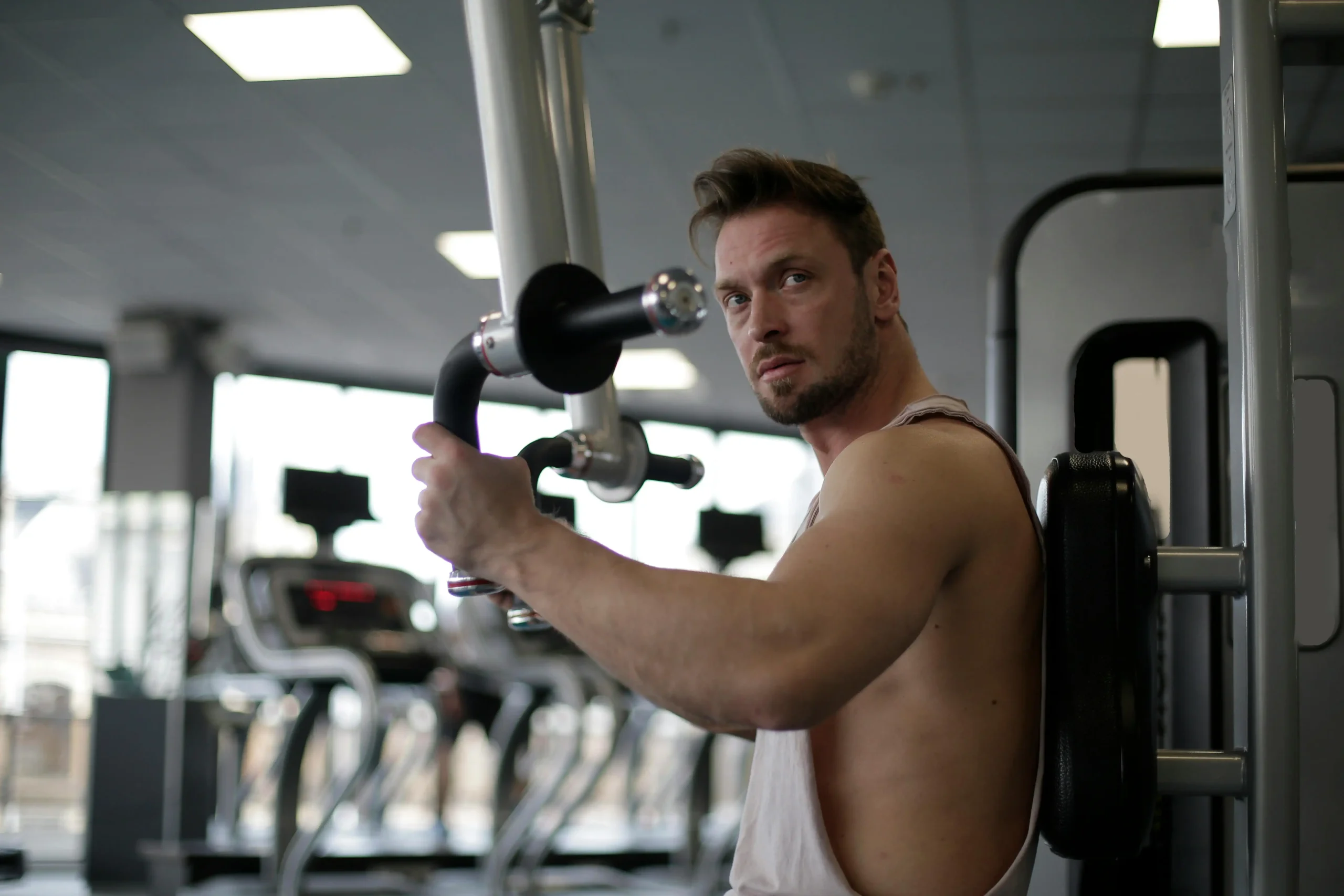
Maintaining a strong and lean body is no longer just about aesthetics—it’s about health, confidence, and longevity. Men who prioritize fitness enjoy better energy levels, improved mental health, and a reduced risk of chronic diseases. But with so many workout routines and fitness trends out there, it can be overwhelming to know where to start.
This guide breaks down the top men’s workouts for building strength and shedding fat, combining effective gym routines, home workouts, and nutrition tips to help you achieve a leaner, stronger physique in 2026.
Why Strength Training Is Essential for Men
Strength training isn’t just for bodybuilders—it’s a cornerstone of men’s fitness for several reasons:
- Builds Muscle and Burns Fat: Muscle tissue burns more calories at rest, helping men stay lean.
- Improves Bone Health: Lifting weights strengthens bones and reduces the risk of osteoporosis later in life.
- Boosts Metabolism: Regular resistance training increases metabolism, aiding weight management.
- Enhances Functional Fitness: Strength training improves posture, balance, and overall mobility.
- Supports Mental Health: Exercise releases endorphins that reduce stress and boost confidence.
Key Principles for Men’s Fitness Workouts
Before diving into specific workouts, it’s essential to understand the principles that make them effective:
- Consistency Over Intensity: It’s better to work out regularly than to overtrain sporadically.
- Progressive Overload: Gradually increase weights, reps, or intensity to continue making gains.
- Compound Movements First: Exercises that target multiple muscle groups save time and improve efficiency.
- Rest and Recovery: Muscles grow when you rest. Avoid overtraining and prioritize sleep.
- Nutrition Matters: Your diet fuels workouts and recovery, directly impacting results.
Top Workouts for a Stronger, Leaner Body
Here’s a mix of gym-based and home-friendly workouts that target strength, muscle definition, and fat loss.
1. Full-Body Strength Training
Why: Engages all major muscle groups, boosts metabolism, and maximizes calorie burn.
Example Routine:
- Squats: 4 sets x 8–12 reps
- Bench Press: 4 sets x 8–12 reps
- Deadlifts: 3 sets x 6–10 reps
- Pull-Ups: 3 sets x 8–12 reps
- Plank: 3 sets x 60 seconds
Tips: Focus on form to prevent injury. Rest 60–90 seconds between sets for strength, 30–45 seconds for fat loss.
2. High-Intensity Interval Training (HIIT)
Why: Burns fat quickly, improves cardiovascular health, and saves time.
Example Routine:
- 30 seconds sprint / 30 seconds walk (repeat 10–15 times)
- Burpees: 3 sets x 15 reps
- Jump Squats: 3 sets x 12 reps
- Mountain Climbers: 3 sets x 40 seconds
Tips: Keep workouts under 30 minutes for maximum efficiency. Perform HIIT 2–3 times a week to prevent burnout.
3. Upper Body Focus
Why: Builds strength, enhances posture, and defines the chest, shoulders, and arms.
Example Routine:
- Bench Press: 4 sets x 8–12 reps
- Overhead Shoulder Press: 4 sets x 8–12 reps
- Dumbbell Rows: 4 sets x 10–12 reps
- Bicep Curls: 3 sets x 12–15 reps
- Tricep Dips: 3 sets x 12–15 reps
Tips: Combine free weights and machines for balanced strength development.
4. Lower Body Focus
Why: Strong legs improve athletic performance, burn calories, and enhance overall body symmetry.
Example Routine:
- Squats: 4 sets x 8–12 reps
- Lunges: 3 sets x 12 reps per leg
- Romanian Deadlifts: 3 sets x 10–12 reps
- Calf Raises: 3 sets x 15–20 reps
Tips: Never skip leg day! Leg workouts stimulate testosterone and promote full-body strength.
5. Core and Abs
Why: A strong core improves posture, balance, and overall strength.
Example Routine:
- Plank: 3 sets x 60 seconds
- Hanging Leg Raises: 3 sets x 12–15 reps
- Russian Twists: 3 sets x 20 reps
- Bicycle Crunches: 3 sets x 20 reps
Tips: Combine core workouts with full-body strength and cardio for the best results.
Home-Friendly Workouts for Men
Not everyone can make it to the gym. Here are effective workouts you can do at home with minimal equipment:
- Push-Ups: Standard, decline, or diamond variations
- Bodyweight Squats and Jump Squats
- Resistance Band Rows or Bicep Curls
- Dumbbell Deadlifts or Shoulder Press
- HIIT circuits using stairs, sprints, or burpees
Tip: Home workouts are most effective when performed consistently and progressively overloaded by increasing reps, resistance, or intensity.
Nutrition Tips to Support Your Workouts
Exercise alone isn’t enough. Proper nutrition fuels your workouts and supports muscle growth and fat loss:
- Protein Intake: Aim for 1.2–2g of protein per kilogram of body weight daily. Sources: chicken, fish, eggs, tofu, or protein supplements.
- Healthy Fats: Support hormone production with avocados, nuts, and olive oil.
- Complex Carbs: Whole grains, sweet potatoes, and brown rice fuel workouts.
- Hydration: Water is crucial for performance and recovery. Drink at least 3 liters daily.
- Post-Workout Nutrition: Consume a protein-carb combo within 30–60 minutes after training for optimal recovery.
Recovery and Rest
Recovery is where muscles grow and strength develops. Key practices:
- Sleep 7–9 hours per night
- Include rest days in your workout schedule
- Use foam rolling or stretching to prevent injury
- Incorporate low-intensity activities like walking or yoga on rest days
Common Mistakes Men Make in Fitness
- Skipping Warm-Ups: Increases injury risk and reduces performance.
- Focusing Only on Chest and Arms: Leads to imbalanced strength; never skip legs and back.
- Overtraining: Rest is crucial for muscle growth.
- Neglecting Nutrition: Gains are limited without proper diet.
- Ignoring Form: Lifting heavier weights with poor form leads to injury.
Supplement Tips for Men’s Fitness
Supplements can support strength, recovery, and performance when combined with proper diet:
- Whey or plant-based protein for muscle repair
- Creatine for improved strength and endurance
- Omega-3s for joint and heart health
- Multivitamins to fill nutritional gaps
Tip: Supplements are additions, not replacements, for a healthy diet.
Making Fitness a Lifestyle
Fitness isn’t just about a temporary routine—it’s a lifestyle. To maintain a lean and strong body, incorporate:
- Regular physical activity beyond the gym (hiking, sports, cycling)
- Healthy eating habits as a long-term approach
- Tracking progress with measurements or photos
- Setting realistic goals and celebrating milestones
Final Thoughts
Building a stronger, leaner body requires a combination of strength training, cardio, proper nutrition, and recovery. By following the top men’s workouts outlined in this guide, you’ll develop muscle, burn fat, and improve overall health.
Remember, consistency, progressive overload, and attention to nutrition are key. Whether you hit the gym or train at home, a well-rounded approach will deliver sustainable results.