
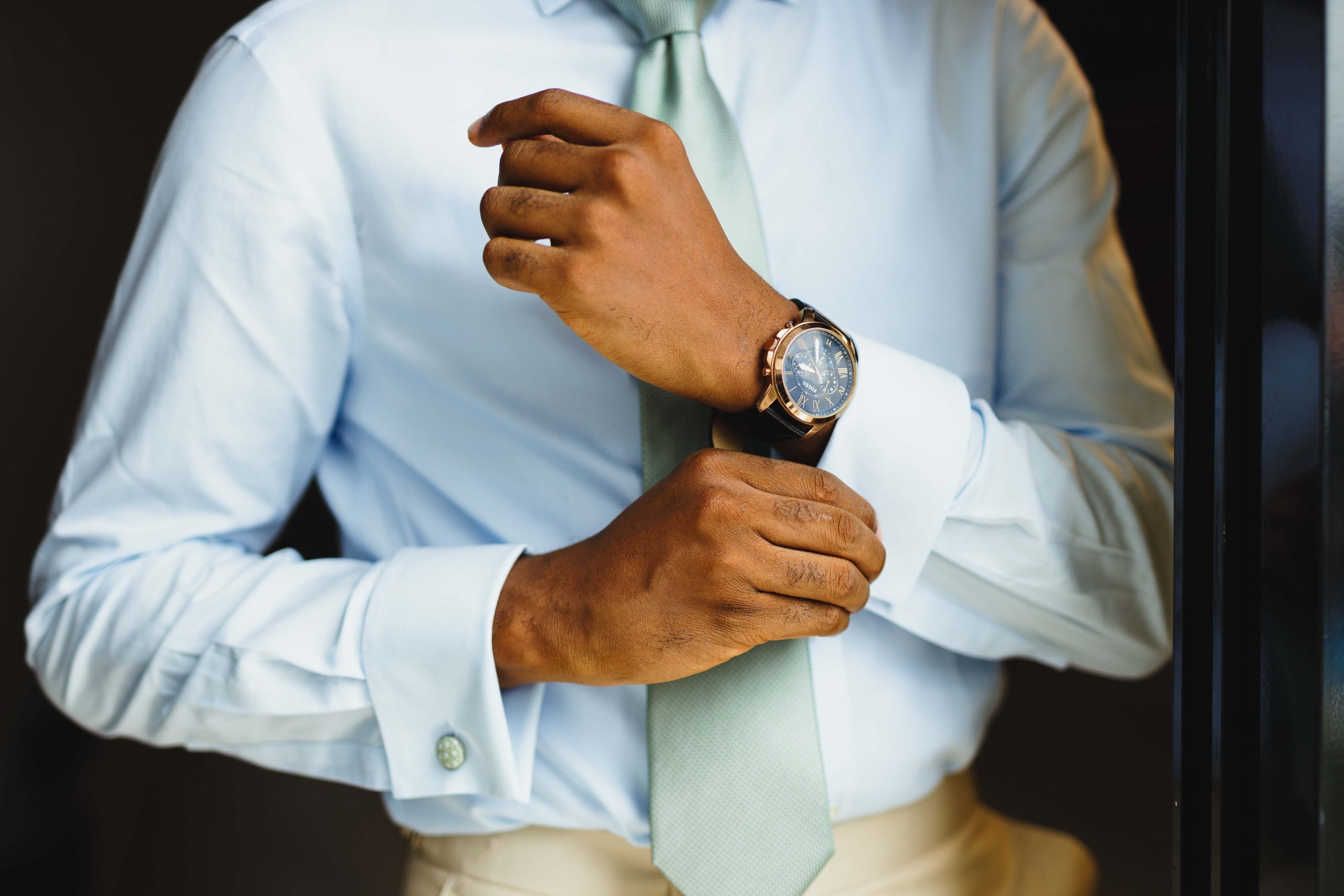
Men’s style is changing, and one of the most useful shifts has nothing to do with buying the latest designer jacket or tracking every new trend. It starts with something much simpler: wearing clothes that fit your body, suit your lifestyle, and make you feel comfortable in your own skin.
For years, men’s fashion advice often revolved around rigid rules. Shirts had to be tucked in a certain way, trousers had to break at a particular point, and certain colors or combinations were treated as automatic mistakes. While classic style principles still have value, modern menswear leaves more room for personal interpretation.
Relaxed tailoring, textured layers, versatile sneakers, understated accessories, and everyday basics have expanded the possibilities. A man can look polished without wearing a suit every day, and he can dress casually without looking as though he grabbed the first items he found in his closet.
The difference often comes down to intention.
A well-fitting T-shirt, clean jeans, and simple shoes can look more put-together than an expensive outfit with awkward proportions. A relaxed jacket can feel contemporary when its shoulders and sleeves are right. Even a basic wardrobe can become more distinctive when the pieces work together.
The best style upgrade is not necessarily a new wardrobe.
It is learning how to wear the one you have.
Fit Is the Foundation of a Better Wardrobe
Before experimenting with trends, colors, or accessories, pay attention to how your clothes fit.
Fit influences the overall shape of an outfit. It affects how garments sit on the shoulders, how trousers fall over shoes, and whether a shirt looks intentional or oversized by accident.
A simple outfit can look dramatically different when the proportions are right.
Start with the shoulders of shirts, jackets, and coats. The shoulder seams should generally sit close to the natural edge of your shoulders, unless the garment is intentionally designed with a dropped shoulder. A seam that extends too far can make a fitted jacket look sloppy, while one that sits too far inward may restrict movement or create pulling.
Next, consider sleeve length. Casual shirts and jackets should allow comfortable movement without excessive fabric bunching around the wrists. Trouser length matters as well. Depending on the style, trousers can sit cleanly above the shoe, create a slight break, or feature a longer, wider silhouette. What matters is that the length looks deliberate.
The waist and seat of trousers deserve attention, too. Pants should stay comfortably in place without requiring constant adjustment. Excessive pulling, sagging, or fabric bunching can disrupt the silhouette even when the garment is otherwise attractive.
Fit does not mean everything must be tight.
In fact, modern menswear often uses roomier cuts to create a more relaxed appearance. Straight-leg denim, pleated trousers, boxier shirts, and oversized outerwear can all work when the proportions are balanced.
The distinction is between intentional volume and clothing that simply does not fit.
Relaxed Tailoring Makes Smart Dressing More Wearable
Tailoring no longer needs to mean a narrow suit, a stiff shirt, and formal shoes.
Today’s relaxed approach can include softer jackets, roomier trousers, unstructured blazers, and lightweight layers that move naturally with the body. The result can look refined without feeling overly formal.
An unstructured blazer, for example, works with dark denim and a plain T-shirt for a casual dinner. The same jacket can be paired with tailored trousers and a knit polo for a more polished setting.
Pleated trousers offer another option. They can create extra room through the hips and thighs while maintaining a clean shape. Straight or slightly wider legs can also balance heavier footwear and oversized outerwear.
The key is to consider the entire silhouette.
If your trousers are wide, a shorter jacket or a neatly fitted top may help establish proportion. If you prefer a relaxed shirt, straighter trousers can create a balanced shape without making the outfit look oversized from head to toe.
There are no universal measurements that every man needs to follow. Body shape, height, personal preference, and the occasion all affect what looks and feels right.
The point of relaxed tailoring is to make smart clothing more comfortable and adaptable.
You should be able to sit, walk, commute, and move through your day without feeling as though your clothes are working against you.
Build Around Basics That Earn Their Place
A wardrobe becomes easier to manage when it contains a dependable collection of versatile pieces.
These do not need to be expensive or especially fashionable. They need to work with the rest of your clothes and suit the situations you regularly encounter.
Useful foundations may include:
- Plain T-shirts in colors such as white, black, navy, gray, or earthy neutrals.
- A few Oxford shirts or casual button-downs.
- Dark or medium-wash jeans in a comfortable cut.
- Straight-leg chinos or tailored everyday trousers.
- A versatile jacket or unstructured blazer.
- A lightweight sweater or textured knit.
- Clean sneakers and a pair of shoes suitable for smarter occasions.
- Outerwear appropriate for your local climate.
The ideal list will differ from one person to another. Someone who works in a casual office may need more knitwear and denim, while someone who attends regular business meetings may benefit from additional shirts and tailored trousers.
Think about your actual week before purchasing anything.
If you rarely wear formal shoes, buying another pair simply because a style guide recommends them may not be the best investment. If you live in a colder climate, a practical coat may improve your wardrobe more than another lightweight shirt.
Versatility is especially valuable when several pieces can be combined in different ways.
A navy overshirt, for instance, can sit over a T-shirt with jeans or layer above a knit with chinos. Dark denim can work with sneakers during the day and cleaner leather shoes in the evening.
A useful wardrobe gives you options without requiring you to own dozens of nearly identical items.
Use Texture to Make Simple Outfits More Interesting
One reason some outfits look more considered than others is the way different fabrics interact.
Texture creates visual interest even when the colors are relatively simple. Denim, cotton, wool, suede, corduroy, leather, and knitwear each have distinctive surfaces that can make an outfit feel more dimensional.
Consider a basic combination of dark jeans, a white T-shirt, and sneakers. It is easy to wear, but it can look more intentional with a textured overshirt or a suede-style jacket.
Similarly, a plain knit sweater paired with tailored trousers can create a refined outfit without the need for bold patterns or visible branding.
Autumn and winter are especially suitable seasons for experimenting with texture. Corduroy trousers, wool coats, brushed cotton shirts, chunky knits, and suede footwear offer variety while also serving practical purposes.
However, texture does not require buying a separate outfit for every season.
A lightweight cotton overshirt can add depth during mild weather, while a knit polo can replace a basic T-shirt when you want a slightly smarter appearance.
A useful approach is to combine two or three distinct textures rather than making every item compete for attention. For example, smooth cotton, structured denim, and a textured jacket can work together naturally.
The aim is to create interest through the materials themselves instead of relying entirely on logos or eye-catching designs.
Accessories Should Complete the Outfit, Not Overwhelm It
Accessories are an easy way to make personal style more recognizable without replacing an entire wardrobe.
A watch, belt, bag, cap, bracelet, or pair of sunglasses can add a finishing touch. The best choices are usually the ones that fit the wearer’s habits and complement the rest of the outfit.
A simple watch can work with casual and smart-casual clothing. A leather belt may bring together trousers and shoes, while a canvas or leather bag can add practical value to a daily commute.
Jewelry offers room for individual expression as well. Some men prefer a single chain or ring, while others enjoy stacking bracelets or wearing several pieces. Neither approach is automatically more stylish; the result depends on personal taste and the overall outfit.
Proportion matters here, too.
A small, understated accessory may suit a minimalist wardrobe, while a more substantial piece can complement a relaxed or streetwear-inspired look. The goal is not to follow a strict rule about how many accessories a man should wear.
Instead, consider whether each item contributes something.
If an accessory feels uncomfortable, gets in the way, or rarely works with your clothes, it may not deserve a permanent place in your daily rotation.
Useful accessories should make getting dressed easier, not create another complicated decision.
Color Does Not Need to Be Complicated
Many men build their wardrobes around black, white, gray, navy, and denim. These colors are popular for a reason: they are relatively easy to combine and can support a wide range of styles.
But a neutral wardrobe does not need to feel repetitive.
Adding olive green, brown, burgundy, cream, rust, or muted blue can introduce variety without making coordination difficult. These shades can work especially well with denim, knitwear, and seasonal outerwear.
Start by choosing one additional color that complements the clothes you already own.
An olive overshirt, for example, can pair with a white T-shirt and dark jeans. A burgundy sweater can work with gray trousers. A cream knit can soften an outfit built around dark denim and black shoes.
You can also experiment with tonal dressing, which uses different shades of a similar color. Navy trousers, a lighter blue shirt, and a dark blue jacket can create a cohesive outfit without relying on a complicated pattern.
Contrast is another useful tool. Dark trousers with a light shirt establish a clear visual difference, while similar shades can produce a quieter, more coordinated appearance.
The best color palette is the one that suits your preferences and makes your existing clothes easier to combine.
You do not need to wear every fashionable color. A few well-chosen options can be enough to make a wardrobe feel fresh.
Shoes Can Change the Entire Look
Footwear has a powerful effect on the overall impression of an outfit.
A pair of clean sneakers can make tailored trousers feel relaxed. Leather shoes can bring structure to dark denim. Boots can add weight and practicality to an outfit built around straight-leg jeans and a textured jacket.
Rather than collecting shoes for every trend, consider the roles your footwear needs to fill.
A versatile everyday sneaker is useful for casual outfits. A smarter shoe or boot can handle dinners, events, and occasions where athletic footwear feels too informal. Depending on your climate and routine, weather-resistant footwear may also be essential.
The shape of the shoe should work with the trousers.
Chunkier footwear can complement wider-leg pants, while a slimmer shoe may suit narrower or more streamlined trousers. These are starting points rather than strict rules, and different combinations can work when the proportions feel balanced.
Condition matters as much as style. Clean sneakers, maintained leather, and shoes in good repair can make even an inexpensive outfit look more considered.
A wardrobe does not need a dozen footwear options to be effective.
Two or three pairs that cover your regular activities can provide more value than a large collection that rarely gets worn.
Shop With Intention Instead of Chasing Trends
Fashion trends can be useful sources of inspiration, but they are not instructions that everyone must follow.
A trend may look appealing in a campaign or on a social media personality while feeling completely wrong for your lifestyle. That does not mean the trend is bad. It simply means it may not be the right purchase for you.
Before buying something new, ask a few practical questions.
Does it fit comfortably? Can you wear it with at least three things you already own? Does it suit your everyday activities? Is the material appropriate for how often you plan to wear it? Would you still want it if it were not currently popular?
These questions can reduce impulse purchases and help you identify the gaps in your wardrobe.
They also encourage you to pay attention to quality where it matters. A frequently worn jacket, pair of jeans, or everyday shoe may deserve more consideration than an occasional statement piece.
That does not mean every item needs to be expensive. Affordable clothing can work extremely well when it fits, serves a purpose, and holds up to regular use.
Secondhand stores, clothing swaps, alterations, and repairing existing garments can also extend the life of a wardrobe.
The goal is not to own the fewest possible clothes. It is to own clothes that make sense for you.
Make Personal Style Reflect Your Real Life
A common mistake is building a wardrobe around an imagined version of yourself rather than the life you actually lead.
Someone who spends most days working remotely may not need several formal suits. A person who walks or cycles regularly may value comfortable layers and practical footwear more than delicate statement shoes. Someone who attends events frequently may need a few more polished options.
Your wardrobe should reflect those realities.
Start by identifying the settings you dress for most often: work, weekends, social events, exercise, travel, or formal occasions. Then consider whether your current clothes support those situations.
If you regularly struggle to find something appropriate for work, that may be the first area to improve. If you have plenty of shirts but very few trousers that fit comfortably, adding more shirts probably will not solve the problem.
Personal style also involves deciding what you want your clothes to communicate. You may prefer a clean, understated look, a vintage-inspired wardrobe, modern streetwear, workwear, or a mixture of several influences.
There is no requirement to choose one permanent identity. Style can evolve as your interests, circumstances, and preferences change.
What matters is that your choices feel deliberate rather than driven entirely by outside expectations.
The Best Style Upgrade Is Often the Simplest
Improving your wardrobe does not require a dramatic transformation.
Start with the clothes you already own. Identify the pieces that fit well, the ones that need alterations, and the items you rarely wear. Notice which outfits make you feel comfortable and confident, then use those combinations as a starting point.
You might discover that hemming a pair of trousers makes them far more wearable. Replacing a stretched-out T-shirt may improve several outfits. Cleaning your sneakers, adjusting a jacket’s sleeves, or finding a better-fitting pair of jeans can have a noticeable effect without requiring a shopping spree.
From there, introduce new pieces selectively.
Experiment with a relaxed jacket, a different trouser cut, a textured knit, or an accessory that reflects your personality. Try new combinations before deciding that you need an entirely new wardrobe.
Most importantly, let comfort and intention guide your decisions.
Modern menswear offers plenty of room for individual expression, but the freedom to experiment is most useful when you understand what works for you.
The best-dressed man is not necessarily the one wearing the most expensive clothes or the newest trend. He is often the one who understands his preferences, chooses pieces that fit, and wears them with confidence.
Because a better wardrobe does not begin with wearing what everyone else is wearing.
It begins with wearing what fits you.