
Introduction: Why Deadlifts Deserve a Place in Your Fitness Routine
When it comes to building muscle, improving strength, and developing a stronger physique, few exercises are as effective as the deadlift. This popular strength-training movement is a staple in bodybuilding, powerlifting, and general fitness programs because it works several major muscle groups in a single exercise. For men who want to develop stronger legs, a more muscular back, better core stability, and improved physical performance, learning how to deadlift properly can be a valuable step toward achieving their fitness goals.
The deadlift involves lifting a weighted barbell or another resistance from the floor to a standing position using coordinated movements of the hips and knees. Although the exercise may appear straightforward, it requires proper technique, body control, and consistent practice. When performed correctly, deadlifts can help develop the muscles responsible for lifting, carrying, bending, and other everyday movements.
However, deadlifting is not about lifting the heaviest weight possible. Building strength safely requires patience, appropriate resistance, and attention to technique. Whether you are a beginner entering the gym for the first time or an experienced lifter looking to improve your training routine, understanding the benefits and mechanics of deadlifts can help you get more from your workouts.
What Is a Deadlift?
A deadlift is a compound strength-training exercise that involves lifting a weight from the ground by extending the hips and knees. It is called a compound exercise because it engages multiple joints and muscle groups simultaneously, allowing the body to work as a coordinated system rather than isolating a single muscle.
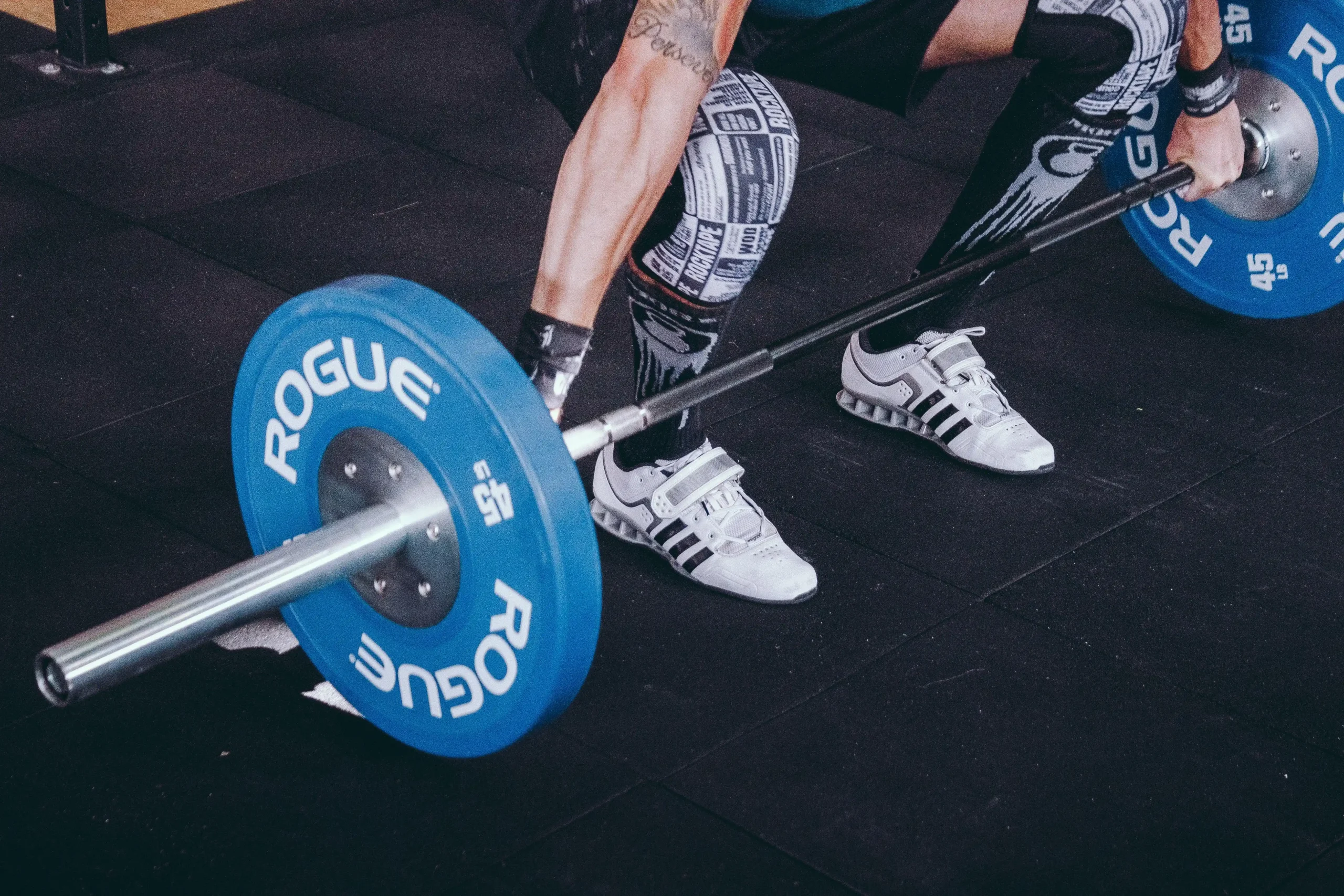
The conventional barbell deadlift is one of the most recognizable variations. The lifter stands with the bar positioned near the feet, bends at the hips and knees to grip it, and then stands upright while keeping the weight close to the body. The movement is reversed to return the bar to the floor under control.
Deadlifts can also be performed with dumbbells, kettlebells, or specialized equipment. These alternatives can make the movement more accessible to beginners or people who prefer a different training setup.
One reason deadlifts are so popular among men is their versatility. They can support goals such as muscle development, general strength, athletic performance, and functional fitness. The exercise can be adapted to different experience levels by adjusting the weight, range of motion, and variation.
1. How Deadlifts Build Back Strength and Muscle
A strong back contributes to posture, physical performance, and the ability to manage everyday tasks. Deadlifts challenge several muscles along the back of the body, including the spinal erectors, latissimus dorsi, trapezius, and other muscles that help stabilize the torso.
The spinal erectors run along the spine and work to maintain trunk position during the lift. The latissimus dorsi, commonly called the lats, help keep the bar close to the body and support upper-body stability. The trapezius muscles assist with controlling the shoulder girdle as the weight moves.
Although deadlifts engage these muscles, the exercise should not be treated as a movement in which you pull the weight upward using your lower back alone. The hips and legs generate much of the force, while the back muscles work to maintain a stable position.
For men interested in developing a stronger and more muscular physique, deadlifts can complement other back exercises, including pull-ups, lat pulldowns, and rows. Combining these movements provides a more complete approach to back training because each exercise challenges the muscles differently.
Consistent training, sufficient recovery, and appropriate nutrition are important for muscle growth. Deadlifts can contribute to these goals, but results depend on the overall training program rather than one exercise alone.
2. Strengthening the Legs, Hamstrings, and Glutes
Although deadlifts are often associated with back training, they are also highly effective for developing the lower body. The gluteal muscles, hamstrings, and quadriceps all contribute to the movement, with their involvement varying according to the deadlift style and technique.
The glutes help extend the hips as the lifter rises to a standing position. The hamstrings contribute to hip extension and help control the lowering phase. The quadriceps assist with straightening the knees, particularly as the weight moves away from the floor.
These muscles are important for many everyday activities, including climbing stairs, standing up, lifting objects, and walking uphill. Strengthening them can improve general physical capacity and support performance in other forms of exercise.
Deadlifts also complement exercises such as squats, lunges, and leg presses. While squats generally place greater emphasis on the quadriceps in many common variations, deadlifts place considerable demands on the muscles responsible for hip extension.
For balanced lower-body development, men should avoid relying on deadlifts alone. A well-rounded program can include squats, split squats, hamstring curls, and calf exercises, depending on individual goals and training experience.
3. Improving Core Stability and Full-Body Strength
Core stability is another important benefit of deadlifting. The core includes the abdominal muscles, obliques, deep trunk muscles, and other structures that help control the position of the spine and pelvis.
During a deadlift, the core muscles contract to create stiffness around the torso. This helps the lifter maintain a stable trunk while transferring force between the lower and upper body. Proper bracing is especially important as the resistance increases.
A strong, well-coordinated core can support performance in other strength exercises and everyday movements. Carrying groceries, lifting a suitcase, moving furniture, and picking up objects from the floor all require some combination of trunk stability and hip movement.
However, deadlifts do not replace dedicated abdominal training. Exercises such as planks, side planks, and controlled anti-rotation movements can complement deadlifts by challenging the core in different ways.
For beginners, learning how to brace the core before lifting is more important than immediately adding heavy weights. A controlled movement with appropriate resistance helps develop the coordination needed to progress safely.
4. How to Perform a Deadlift With Proper Technique
Proper technique is essential for getting the most out of deadlifts while reducing avoidable injury risks. Beginners should first practice the hip-hinge movement with little or no weight before progressing to a loaded barbell.
Begin by standing with your feet approximately hip-width apart and the bar positioned over the middle of your feet. Hinge at the hips, bend your knees as needed, and grip the bar with your hands just outside your legs. Adjust your starting position according to your proportions and mobility.
Before lifting, tighten your abdominal muscles as though preparing for a gentle impact. Keep your spine in a stable, comfortable position, engage your upper back, and keep the bar close to your shins. Your shoulders should be positioned appropriately in relation to the bar, rather than forcing your body into an uncomfortable setup.
Start the lift by pushing your feet into the floor while extending your knees and hips in a coordinated movement. The bar should travel close to your body as you rise. Avoid jerking the weight off the floor or allowing it to drift far forward.
At the top, stand tall with your hips and knees extended. There is no need to lean backward or excessively arch your lower back. To lower the weight, push your hips backward first, then bend your knees as the bar approaches the floor.
Reset your position between repetitions when necessary. Each repetition should remain controlled, with the same attention to setup and technique.
A qualified strength coach can help you identify technique issues and adapt the movement to your body and experience level.
5. Common Deadlift Mistakes Men Should Avoid
One of the most common deadlift mistakes is lifting too much weight too soon. Heavy loads can be tempting, particularly for men who want to see rapid progress, but excessive resistance can make it difficult to maintain consistent technique. Start with a manageable load and increase it gradually as your strength and skill improve.
Another mistake is allowing the bar to move too far away from the body. This can increase the demands on the lower back and make the lift less efficient. Keeping the bar close throughout the movement helps maintain better control.
Rounding or overextending the back excessively can also indicate that the lifter is struggling to maintain a suitable position. A neutral, controlled spinal position is generally a useful starting point, although individual technique may vary with anatomy and training needs.
Some lifters also rush through their repetitions, bouncing the weight or failing to reset between lifts. Deadlifts reward controlled movement and deliberate setup rather than speed for its own sake.
Finally, skipping warm-ups can make the first heavy repetitions unnecessarily challenging. Spend several minutes warming up with light activity, practice hip hinges, and perform lighter deadlift sets before attempting your working weight.
If you experience sharp pain, sudden weakness, numbness, or other unusual symptoms during a lift, stop exercising and seek appropriate medical advice.
6. Different Deadlift Variations to Try
The conventional deadlift is only one way to train the hip-hinge movement. Choosing a variation that suits your experience, mobility, equipment, and goals can make training more effective and manageable.
The Romanian deadlift begins from a standing position with the weight in your hands. You push your hips backward while keeping your knees slightly bent, lowering the weight along your legs until your hamstrings reach a comfortable stretch. This variation emphasizes the hamstrings and glutes and typically involves a smaller range of knee movement than the conventional deadlift.
The sumo deadlift uses a wider stance with the hands positioned inside the legs. Some lifters find this position more comfortable because it changes the movement’s range and joint demands. It still requires appropriate technique and gradual progression.
The dumbbell deadlift is another useful option, particularly for beginners or people training at home. Dumbbells can be easier to handle than a barbell and allow flexibility in positioning the weights.
The kettlebell deadlift can also help beginners learn the hip hinge while keeping the load between the feet. Starting with a raised weight, such as a kettlebell placed on a stable elevated surface, may be useful if reaching the floor is difficult.
No variation is automatically best for every man. The right choice is one that allows you to perform the movement comfortably, maintain control, and progress toward your specific fitness goals.
7. How Often Should Men Deadlift?
The appropriate deadlift frequency depends on training experience, recovery, workout intensity, and the rest of your exercise program. For many beginners, performing deadlifts once a week is a reasonable starting point while they learn the technique and assess how their bodies respond.
A beginner might start with two or three sets of five to eight controlled repetitions using a light or moderate weight. These are general examples rather than requirements. Some people will benefit from fewer repetitions, lighter resistance, or a simpler variation while developing their technique.
More experienced lifters may use different set and repetition ranges depending on whether they are training for strength, muscle growth, or athletic performance. Heavy deadlift sessions can create substantial fatigue, so they should be planned alongside other demanding lower-body exercises.
Allow enough recovery between challenging sessions. Sleep, adequate food intake, hydration, and sensible training volume all influence how well the body adapts. Training the same muscles hard without sufficient recovery can interfere with progress.
It is also helpful to keep a training log. Recording your weights, repetitions, and how difficult each session feels can reveal patterns over time and help you decide when to increase resistance.
Progress should be measured by more than the amount of weight on the bar. Better technique, improved control, consistent training, and greater confidence are also valuable signs of progress.
8. Nutrition and Recovery for Better Muscle Growth
Deadlifts challenge large muscle groups, but the body needs adequate nutrition and recovery to adapt to training. Men who want to build strength and muscle should pay attention to their overall eating patterns rather than searching for one food or supplement that promises dramatic results.
Protein provides the building blocks needed for muscle repair and growth. Foods such as eggs, fish, chicken, lean meat, dairy products, beans, and tofu can help meet protein needs. The appropriate amount depends on body size, activity level, dietary preferences, and health circumstances.
Carbohydrates also provide energy for demanding workouts. Rice, oats, potatoes, fruits, and whole grains can fit into a balanced diet and help support training performance. Healthy fats, vegetables, and sufficient fluids are important parts of an overall nutritious eating pattern as well.
Sleep is equally important. Consistent, sufficient sleep supports recovery, concentration, and physical performance. Men who train hard but regularly sacrifice sleep may struggle to maintain workout quality and consistency.
Long-term fitness also involves looking beyond muscle size. Maintaining strength, mobility, cardiovascular fitness, and healthy lifestyle habits can support physical function as people age. Men interested in broader healthy-aging and wellness resources can explore the Ragers Longevity collection.
Supplements are not a substitute for sound training, nutrition, or sleep. If you have a medical condition or take medication, consult a qualified healthcare professional before starting new supplements or making major changes to your exercise routine.
9. Is Deadlifting Safe for Beginners?
Deadlifting can be suitable for many healthy adults, including beginners, when the exercise is introduced appropriately. However, it is a demanding movement, and individual limitations should be considered.
New lifters should prioritize learning the hip hinge, choosing a manageable resistance, and maintaining control throughout each repetition. Starting with a kettlebell or dumbbell may make the movement easier to learn before progressing to a barbell.
People with existing back pain, significant joint problems, recent injuries, or other health concerns should seek advice from an appropriate healthcare professional before beginning a demanding lifting program. A qualified trainer can also help adapt the exercise, provided they work within their professional scope.
Pain should not be treated as a normal requirement for progress. Mild muscle soreness can occur after unfamiliar exercise, but sharp, worsening, or persistent pain deserves attention. If symptoms are concerning, stop the exercise and obtain appropriate assessment.
The goal is to develop strength that can be maintained over time. Consistent practice with manageable loads is more useful than repeatedly testing maximum strength before the body is prepared.
Conclusion: Build Strength One Rep at a Time
Deadlifts are a valuable exercise for men who want to build stronger legs, develop their back muscles, improve core stability, and enhance overall strength. By involving multiple muscle groups in one coordinated movement, deadlifts can contribute to both gym performance and the physical abilities needed for everyday life.
However, the best results come from more than lifting heavy weights. Proper technique, gradual progression, balanced training, nutritious food, sufficient sleep, and consistent recovery all play important roles in building muscle and maintaining long-term fitness.
Whether you choose conventional barbell deadlifts, Romanian deadlifts, or a beginner-friendly dumbbell variation, focus on mastering the movement before increasing the challenge. Avoid comparing your progress with other lifters, and choose a training approach that suits your current abilities and goals.
Building strength is a gradual process. With patience, good technique, and a well-rounded fitness routine, deadlifts can become a valuable part of a sustainable approach to men’s fitness and long-term physical well-being.