
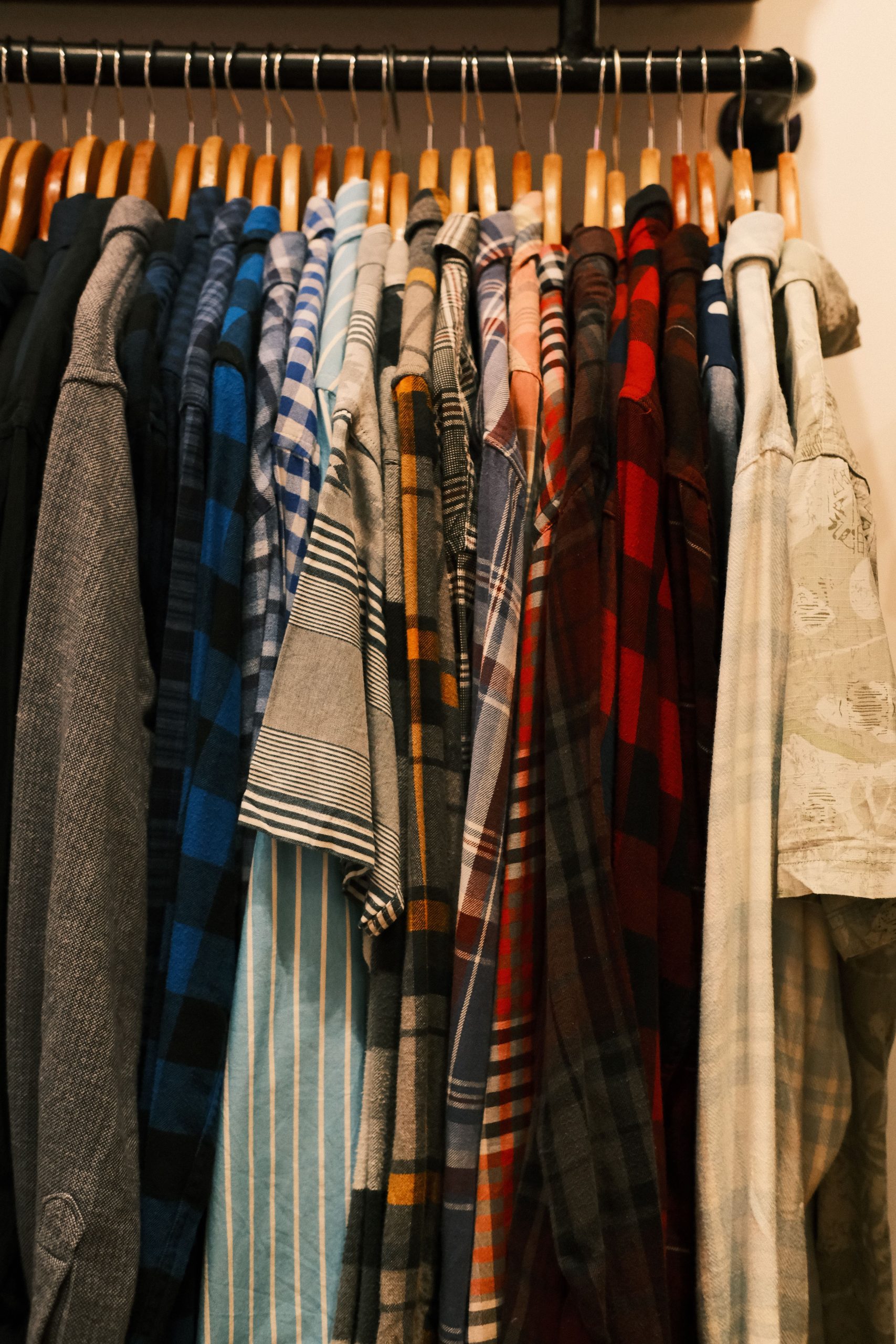
When the weather starts getting cooler, getting dressed becomes a little more complicated. Mornings can feel chilly, afternoons may warm up, and evenings often call for an extra layer. Clothes that worked comfortably during summer suddenly seem too light, while heavy winter pieces can feel like too much.
The solution is not necessarily buying an entirely new wardrobe.
For most men, a more practical approach begins with understanding how to layer clothes effectively. A few versatile pieces can create multiple outfits, make changing temperatures easier to manage, and help everyday style feel less complicated.
Think of a fall wardrobe as a three-layer system: a reliable base, a flexible middle layer, and an outer layer that responds to the weather.
Each layer has a purpose. Together, they make it easier to dress for work, weekends, casual dinners, travel, and everything else that fills an ordinary autumn week.
The best part? You can build this formula around clothes you already own.
1. The Base Layer: Start With Dependable Basics
The first layer sits closest to your skin, making comfort and fit especially important. It also establishes the foundation for everything worn over it.
For everyday fall outfits, start with well-fitting T-shirts, long-sleeve shirts, lightweight knitwear, and casual button-downs.
These pieces do not need complicated designs. In fact, simple basics are often easier to combine with different colors, textures, and outerwear.
The T-shirt That Works Beyond Summer
A quality T-shirt remains useful throughout fall, particularly when temperatures are mild or when it will sit underneath another layer.
Look for a fabric weight that feels comfortable without becoming bulky under a sweater or jacket. Cotton is a familiar everyday option, while cotton blends can offer different levels of stretch, softness, and durability.
Fit matters more than having a large collection of nearly identical shirts. The shoulder seams should generally sit close to the natural shoulder line, and the body should allow comfortable movement without excessive fabric bunching beneath another garment.
Neutral colors such as white, black, gray, navy, and cream are easy starting points because they work with a wide range of trousers and jackets.
A plain white T-shirt under a navy overshirt, for example, can look just as intentional as a more elaborate outfit.
Long-Sleeve Shirts and Lightweight Knits
As temperatures drop, long-sleeve shirts provide an easy transition from summer dressing.
A cotton long-sleeve shirt works well on its own during mild weather and underneath a jacket when it gets colder. Casual button-downs also offer flexibility: wear them open over a T-shirt or buttoned up with chinos for a slightly more polished appearance.
Lightweight sweaters add another option. Fine-gauge knits can fit comfortably beneath coats and jackets without creating too much bulk.
For a practical starter collection, consider two or three T-shirts, one or two long-sleeve shirts, and a lightweight sweater in colors that coordinate with your existing wardrobe.
You do not need every item immediately. Start with the pieces you will wear most frequently.
2. The Middle Layer: Add Warmth and Personality
The middle layer is where fall outfits become more interesting.
Its main purpose is to provide additional warmth between the base layer and outerwear. It can also introduce texture, color, and structure without requiring a completely different outfit.
Three particularly useful options are the overshirt, the sweater, and the casual cardigan.
The Overshirt: A Reliable Everyday Option
An overshirt sits between a shirt and a lightweight jacket. Depending on its fabric and construction, it can provide enough warmth for mild days or work as an additional layer beneath a heavier coat.
Cotton twill, brushed cotton, and other medium-weight fabrics are practical choices. A wool-blend overshirt may provide additional warmth in cooler conditions.
For versatility, consider navy, olive, brown, charcoal, or a muted check pattern.
An olive overshirt, dark jeans, and a neutral T-shirt create a straightforward weekend outfit. Swap the jeans for chinos and choose cleaner footwear, and the same overshirt can work for a casual dinner or an informal office.
Pay attention to the fit. There should be enough room to wear a T-shirt or thin sweater underneath, but the shoulders and sleeves should not feel excessively oversized.
The Sweater: Simple Warmth Without Extra Complexity
A sweater is one of the most useful pieces in a fall wardrobe because it can be worn independently or combined with other layers.
A crew-neck sweater offers a clean, straightforward appearance. A quarter-zip knit provides an adjustable neckline and works well for casual or smart-casual outfits. A cardigan can add flexibility because it is easy to open or remove when temperatures change.
Choose a knit that complements your usual clothing. A medium-weight sweater in navy, charcoal, brown, or cream can coordinate with jeans, chinos, and many types of outerwear.
For a polished combination, wear a fine-knit sweater with chinos and a structured jacket. For something more relaxed, pair a textured sweater with dark denim and boots or sneakers.
The goal is to create warmth without making the outfit feel crowded.
How to Avoid Bulky Layers
Layering works best when each piece has enough room to sit comfortably over the one beneath it.
A fitted T-shirt, a moderate-weight sweater, and a roomy coat will usually feel more comfortable than three thick garments stacked together.
Consider fabric weight, sleeve construction, and how easily you can move your arms. If a jacket pulls across the shoulders or bunches around the elbows, the combination may not be suited to the layers underneath.
You should be able to sit, walk, reach, and move naturally.
Comfort is not a minor detail. It is what makes a wardrobe practical enough to wear repeatedly.
3. The Outer Layer: Choose for the Weather
The final layer protects you from the conditions outside and helps define the overall look of an outfit.
Fall weather can vary considerably, so the most useful outerwear depends on your climate, daily commute, and activities.
For many wardrobes, one lighter jacket and one warmer option provide a more useful starting point than several coats that serve almost the same purpose.
The Lightweight Jacket
A bomber jacket, denim jacket, or casual workwear jacket can be useful when temperatures are cool but not especially cold.
A bomber offers a streamlined silhouette and works well with jeans, chinos, and simple knitwear. A denim jacket provides a familiar casual look, while a canvas or chore-style jacket introduces a more structured, workwear-inspired appearance.
The best choice is the one that complements the clothes you already wear.
If most of your wardrobe consists of neutral basics, a navy, olive, brown, or charcoal jacket will generally be easy to coordinate. If you already own several dark pieces, a lighter tan or stone-colored jacket can introduce contrast.
Before buying, check the garment’s lining, pocket placement, closure, and fit over your preferred middle layer.
A jacket that looks good on a hanger but restricts movement over a sweater may not earn much time in your regular rotation.
The Coat for Colder Days
When temperatures fall further, a heavier coat becomes more useful.
A wool-blend overcoat can work well with smart-casual clothing, including sweaters, button-down shirts, and tailored trousers. A parka or insulated jacket may be more appropriate for cold, windy, or wet conditions.
These options serve different purposes. A stylish wool coat is not necessarily the best choice for heavy rain, and a lightweight fashion jacket may not provide sufficient insulation for freezing temperatures.
Consider the conditions you actually encounter rather than buying outerwear solely because it looks good in a photograph.
For rain and wind, prioritize appropriate weather resistance. For very cold conditions, consider insulation, coverage, and enough room for additional layers. In changeable climates, a removable mid-layer can make an outfit more adaptable.
One dependable coat suited to your environment can be more valuable than several jackets that fail to meet your everyday needs.
4. Make Three Layers Work Across Multiple Outfits
The advantage of this formula is that the pieces can be combined in different ways without requiring a separate outfit for every occasion.
Here are three examples.
The Everyday Weekend Look
Start with a white or gray T-shirt, add an olive overshirt, and finish with dark jeans and clean sneakers. If the temperature drops, replace the overshirt with a warmer jacket or wear a lightweight sweater underneath it.
The Smart-Casual Outfit
Choose a long-sleeve button-down shirt, a fine-knit crew-neck sweater, and a structured wool-blend coat. Chinos and leather shoes or boots complete the look without making it feel overly formal.
The Cold-Weather Commute
Wear a comfortable base layer, a medium-weight sweater, and an insulated coat suited to local conditions. Add practical footwear and accessories according to the weather.
These outfits share a basic principle: the pieces work together rather than competing for attention.
You can also change the appearance of each combination with small adjustments. Different shoes, a contrasting sweater, a textured jacket, or a different trouser cut can make familiar pieces feel fresh.
You do not need a completely new outfit every time you leave the house.
5. Fit, Fabric, and Color Matter More Than Endless Trends
Fall fashion often introduces new colors, silhouettes, and seasonal must-haves. Trends can be enjoyable, but they do not automatically make a garment a good investment.
A practical wardrobe begins with pieces that fit properly, feel comfortable, and work with several other items.
Prioritize Fit
A well-fitting basic can make an outfit appear more considered without requiring a designer label.
Pay attention to shoulder placement, sleeve length, trouser proportions, and how garments sit when you move. Different styles allow different amounts of room, so the goal is not to make everything tight. It is to find proportions that feel intentional and comfortable.
If an otherwise useful item needs a small alteration, consider whether tailoring would make it more wearable.
Use a Coordinated Color Palette
A limited color palette makes it easier to combine clothing.
Navy, gray, cream, olive, brown, black, and denim are useful foundations for many fall wardrobes. You can introduce seasonal shades such as burgundy, rust, forest green, or mustard through a sweater, overshirt, scarf, or other smaller piece.
You do not have to follow a strict color rule. The benefit comes from choosing shades that work together often enough to reduce the effort involved in getting dressed.
Choose Fabric for Its Purpose
Fabric affects warmth, comfort, appearance, and care requirements.
Cotton is useful for many everyday basics. Wool and wool blends can provide warmth in sweaters and coats. Denim and sturdy cotton twill work well for casual jackets, while technical fabrics may offer practical protection from rain and wind.
Check care labels before purchasing. A garment that requires more maintenance than you can realistically manage may be less useful than a simpler alternative.
The best wardrobe is not necessarily the most expensive one. It is the one whose pieces continue to serve you.
6. Build Your Wardrobe Before Buying More
Before shopping for fall, take a few minutes to review what you already own.
Pull out your most frequently worn T-shirts, shirts, sweaters, jackets, trousers, and shoes. Look for items that fit comfortably and coordinate with several other pieces.
Then identify the genuine gaps.
Perhaps you have plenty of T-shirts but no sweater that fits beneath your coat. Maybe your lightweight jacket works well in dry weather, but you need a rain-resistant option. Or perhaps you have enough outerwear but lack trousers that work with your everyday shoes.
Make a short list based on those needs.
A useful purchase should solve a real problem or make several existing pieces more versatile. If a new jacket works with five outfits, it may be a better addition than a statement piece that only matches one.
Also consider cost per wear. An affordable, well-made item that you use several times a week may provide more value than an expensive piece worn only for special occasions.
You can build gradually, replacing worn basics and adding layers as the weather changes.
There is no requirement to complete an entire seasonal wardrobe in one shopping trip.
The Final Takeaway: Keep Fall Style Simple
Getting dressed during fall does not have to become a daily puzzle.
A dependable base layer, a versatile middle layer, and outerwear suited to your climate can create a wardrobe that adapts to different temperatures and occasions.
Start with comfortable basics. Add sweaters or overshirts that provide warmth and texture. Finish with a jacket or coat that fits your routine and the conditions outside.
From there, focus on fit, compatible colors, useful fabrics, and pieces you genuinely enjoy wearing.
Seasonal style is not about owning every trend before it disappears. It is about making the clothes you have work harder, choosing additions thoughtfully, and building combinations that feel natural.
When your wardrobe is organized around a few reliable layers, getting dressed becomes easier because the decisions have already been made.
And that is the real fall wardrobe formula: fewer unnecessary purchases, more combinations, and practical style that works in everyday life.
References
- GQ — Men’s Style and Fashion: https://www.gq.com/style
- Esquire — Men’s Fashion and Style: https://www.esquire.com/style/mens-fashion/
- The Men’s Fashion Guide — Permanent Style: https://www.permanentstyle.com/
- REI — Layering Basics and Outdoor Clothing Guidance: https://www.rei.com/learn/expert-advice/layering-basics.html
- Patagonia — Outdoor Clothing and Layering Resources: https://www.patagonia.com/stories/