
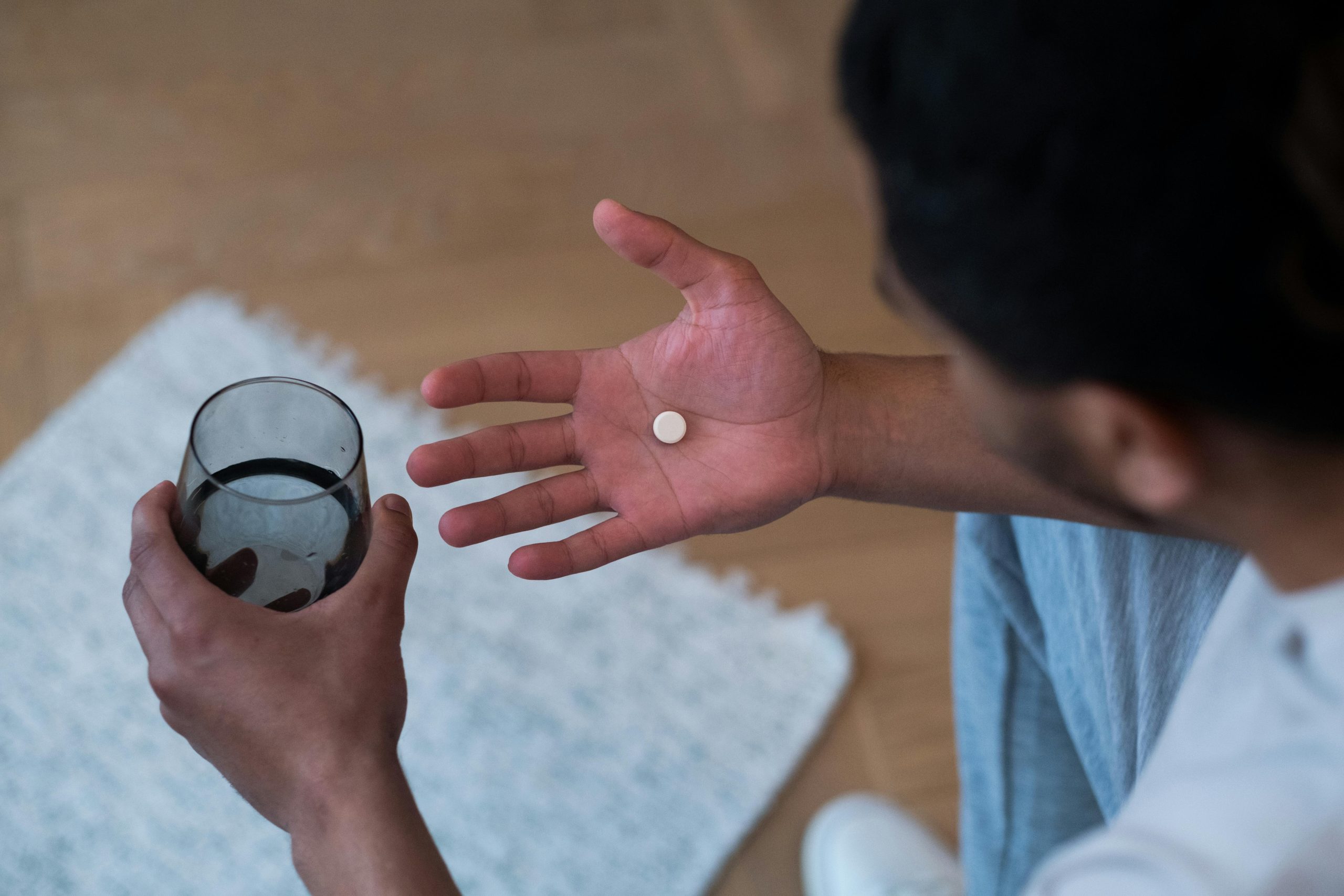
Men’s health is finally gaining the spotlight it has long deserved, and in 2026, the conversation is more urgent and nuanced than ever. For decades, societal norms have often discouraged men from openly addressing physical and mental health issues, contributing to significant disparities in life expectancy, disease management, and overall well-being. But today, thanks to evolving cultural attitudes, technological advances, and groundbreaking research, men’s health is being redefined. The stigma surrounding vulnerability is weakening, and more men are stepping forward to prioritize their health in holistic, informed ways. This transformation is timely, given that recent studies show that men continue to face unique health challenges, from heart disease and prostate cancer to rising mental health concerns and lifestyle-related illnesses.
One of the most pressing topics in men’s health this year is the growing awareness and proactive approach to mental wellness. Recent data from 2025 indicate that rates of anxiety, depression, and suicide among men have surged, partly exacerbated by lingering pandemic effects, economic pressures, and social isolation. However, 2026 has seen a notable shift in how men engage with mental health resources. Telehealth platforms and mental wellness apps designed specifically for men have gained massive popularity, reducing barriers related to access and stigma. Campaigns led by male public figures, athletes, and celebrities openly discussing their struggles are helping normalize these conversations. Men are increasingly encouraged to seek help, practice mindfulness, and build emotional resilience—steps that could drastically reduce preventable tragedies.
Physical health remains a cornerstone of men’s health discussions. Cardiovascular disease continues to be the leading cause of death among men worldwide, yet it is also one of the most preventable. In 2026, there is renewed focus on lifestyle interventions, such as improved diet, regular exercise, and smoking cessation, that can dramatically reduce risk factors. The proliferation of wearable technology—smartwatches and fitness trackers—has empowered men to monitor vital signs, track workouts, and receive personalized health feedback. This tech-driven self-awareness, coupled with greater health literacy, is encouraging more men to take proactive steps toward heart health and disease prevention.
Prostate health also remains a critical topic in men’s health circles. Advances in screening techniques and treatment options have improved early detection rates and survival outcomes. This year, medical experts have pushed for updated guidelines that encourage men to discuss prostate screening with their healthcare providers starting at age 40 or earlier if there is a family history. New diagnostic tools, such as advanced imaging and genetic testing, allow for more accurate and less invasive detection of prostate abnormalities. Meanwhile, ongoing research into personalized medicine and immunotherapy is promising better treatment options that minimize side effects and improve quality of life.
Another significant area of attention is men’s sexual health, which continues to carry social taboos but is receiving more open and honest discussion in 2026. Erectile dysfunction, low testosterone, and other sexual health issues can be early indicators of broader health problems, including cardiovascular disease and diabetes. Innovative treatments, from hormone replacement therapies to cutting-edge pharmaceuticals, are becoming more accessible and tailored to individual needs. Telemedicine consultations have made it easier for men to seek help discreetly, removing obstacles that have traditionally hindered care.
Nutrition and weight management have taken center stage as well, with obesity rates among men remaining a concern globally. The modern workplace’s sedentary nature, combined with easy access to calorie-dense processed foods, contributes to this trend. However, 2026 sees a surge in personalized nutrition plans, often informed by genetic testing and microbiome analysis, enabling men to optimize diets for their unique physiology. There is also growing emphasis on gut health and its links to overall well-being, including mood regulation and immune function. Plant-based diets and sustainable eating are gaining traction among men who are increasingly conscious of both personal health and environmental impact.
Men’s health also intersects strongly with reproductive health and family planning. Discussions about fertility challenges, male contraception, and hormonal health are becoming more mainstream. New contraceptive methods for men, including reversible hormonal options, have moved closer to regulatory approval, promising more equitable responsibility in birth control. Fertility clinics report a rising number of men seeking evaluations, reflecting greater awareness of reproductive health’s importance for future planning and well-being.
Physical fitness trends among men have also evolved in 2026. While traditional strength training and sports remain popular, there is a notable increase in activities focusing on functional fitness, flexibility, and recovery—such as yoga, Pilates, and mobility training. This shift reflects a broader understanding that health is not just about muscle mass but also about longevity, injury prevention, and mental well-being. Recovery science, including cryotherapy, infrared saunas, and personalized supplementation, is becoming integral to men’s fitness routines, helping reduce burnout and promote sustained physical performance.
Sleep health has emerged as a crucial yet often overlooked aspect of men’s wellness. The Centers for Disease Control and Prevention recently reported that nearly 40% of men in the U.S. get less than the recommended seven hours of sleep per night. Sleep deprivation is linked to increased risks of cardiovascular disease, diabetes, obesity, and impaired cognitive function. In 2026, more men are utilizing sleep tracking devices and adopting evidence-based sleep hygiene practices to improve rest quality. Employers and healthcare providers are also increasingly recognizing the importance of sleep in workplace productivity and overall health outcomes.
One cannot discuss men’s health without addressing substance use and addiction. Alcohol consumption and smoking rates remain higher among men than women in many regions, contributing to preventable illnesses and social problems. Public health campaigns targeting men have incorporated data-driven strategies that emphasize harm reduction and support for recovery. New treatments, including digital therapeutics and peer support networks, provide accessible avenues for men to seek help. The opioid epidemic, while showing signs of plateauing in some countries, still requires focused interventions tailored to male populations, including addressing stigma and co-occurring mental health disorders.
Social determinants of health—factors like socioeconomic status, education, and environment—play a significant role in men’s health outcomes. In 2026, health equity remains a major focus, with policies aimed at reducing disparities faced by marginalized men, including those from racial and ethnic minorities, rural areas, and low-income backgrounds. Community health programs and mobile clinics are bridging gaps in access to preventive care, screenings, and education. Technology-enabled outreach, such as virtual health fairs and remote consultations, is helping bring services to underserved populations.
Another emerging area is the mental and physical health of men in midlife and beyond. As the global population ages, more attention is being paid to issues like cognitive decline, arthritis, osteoporosis, and social isolation among older men. Research into neurodegenerative diseases such as Alzheimer’s is advancing, with promising early interventions under study. Programs promoting active aging encourage exercise, social engagement, and cognitive stimulation, aiming to improve quality of life and independence.
In the workplace, men’s health initiatives are gaining traction, reflecting a growing recognition of how job conditions impact well-being. Corporate wellness programs increasingly address stress management, ergonomics, and mental health support. Flexible work arrangements and employer-sponsored health screenings contribute to healthier work environments. This focus is particularly important as industries evolve and new occupational hazards emerge.
Men’s health advocacy organizations continue to play a vital role in education, research funding, and policy development. Events like Men’s Health Month amplify awareness campaigns and promote preventive care. Collaborations between healthcare providers, governments, and non-profits foster innovative approaches to health challenges specific to men.
Finally, the role of partners, families, and communities is critical in supporting men’s health journeys. Encouraging men to engage in open conversations, share health concerns, and participate in regular check-ups helps dismantle barriers rooted in traditional masculinity norms. Social support has been shown to improve health outcomes significantly, making interpersonal connection a key component of holistic health.
In summary, men’s health in 2026 is undergoing a remarkable transformation. Breaking free from outdated stereotypes and embracing a comprehensive approach that includes physical, mental, emotional, and social well-being is reshaping what it means to be healthy as a man today. Advances in technology, medicine, and cultural attitudes are converging to provide men with more tools, knowledge, and support than ever before. As this momentum continues, the hope is that future generations will experience longer, healthier, and more fulfilling lives.