
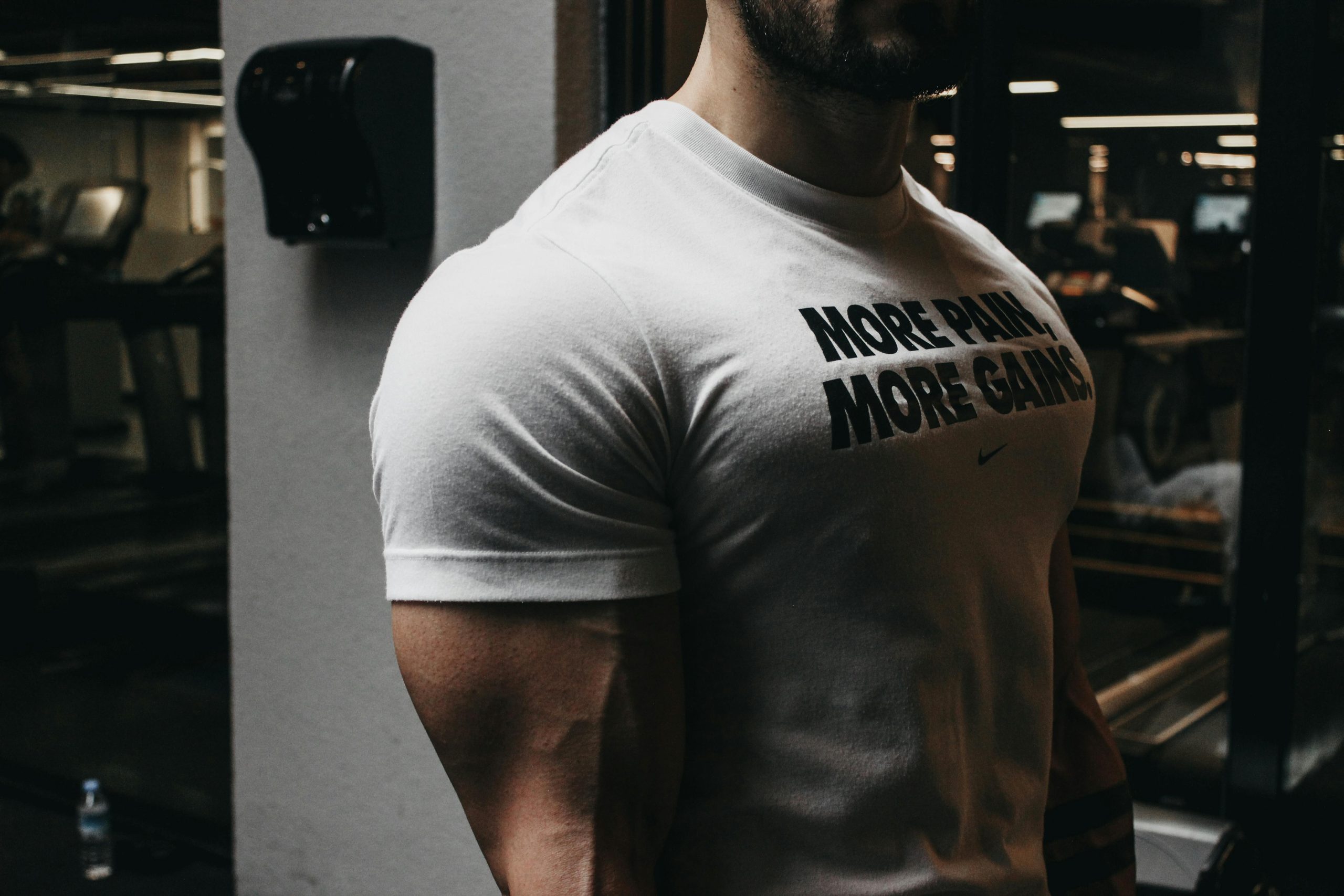
In 2026, the language of work and ambition has shifted away from “hustle” and toward something more controlled, more sustainable, and ultimately more measurable: performance. The idea of pushing endlessly for output has started to lose cultural dominance, replaced by a growing focus on energy management—how people allocate effort, recover, and maintain consistency over time rather than maximizing short bursts of intensity.
This shift is visible across industries, but especially in digital work, creator economies, and hybrid corporate environments where output is constant and attention is fragmented. The old model rewarded long hours and visible exhaustion. The new model rewards steadiness—people who can maintain quality, clarity, and execution without collapsing under the weight of overextension. Performance is no longer about how much you can grind; it’s about how long you can stay effective.
Energy management reframes productivity as something cyclical rather than linear. Instead of treating work as a constant climb, it acknowledges that focus, creativity, and decision-making all fluctuate. High performers are increasingly seen as those who can recognize these cycles—when to push, when to pause, and when to recover in order to sustain output over longer periods.
This mindset has also been influenced by broader conversations around burnout and overstimulation. As workloads become more digital and always-on, the cost of constant availability has become more visible. People are realizing that unsustainable effort leads to diminishing returns—not just in output quality, but in cognitive clarity and long-term consistency.
As a result, structured recovery is becoming part of performance strategy. Rest is no longer viewed as separate from work; it is integrated into it. Breaks, downtime, sleep, and even intentional disengagement from screens are increasingly treated as tools for maintaining effectiveness rather than interruptions to productivity.
The cultural narrative is shifting accordingly. Where hustle culture once celebrated exhaustion as proof of effort, modern performance culture values sustainability. It prioritizes systems over sprinting, rhythm over randomness, and consistency over intensity. The goal is no longer to do the most in a single stretch—it is to do well repeatedly without breaking down.
Even language reflects this change. “Grind” is being replaced by terms like “output,” “capacity,” and “energy.” These words suggest measurement, control, and optimization rather than sacrifice. Success is being redefined not as relentless effort, but as the ability to manage resources—attention, time, and mental bandwidth—efficiently over time.
Ultimately, the decline of hustle culture doesn’t mean ambition is fading. It means ambition is being redesigned. In 2026, performance matters more than grind because longevity matters more than intensity. And in that shift, the most valuable skill is no longer how hard someone can push—but how well they can sustain it.