
For a long time, success was measured in visible accumulation—long hours worked, packed schedules, constant availability, and the ability to stay busy at all times. But that definition is starting to lose its appeal. Increasingly, status is being redefined not by how much someone does, but by how much time they are able to reclaim for themselves.
Free time has become a quiet indicator of wealth and stability. It signals not just financial security, but control over one’s schedule, energy, and priorities. In a culture that once glorified being “always on,” the ability to step back is now increasingly seen as a form of success in itself.
This shift is closely tied to changing attitudes toward work and well-being. Burnout has become a widely recognized issue, and many people are reassessing the idea that constant productivity is necessary or desirable. Instead, there is growing emphasis on balance, recovery, and sustainable pacing in daily life.
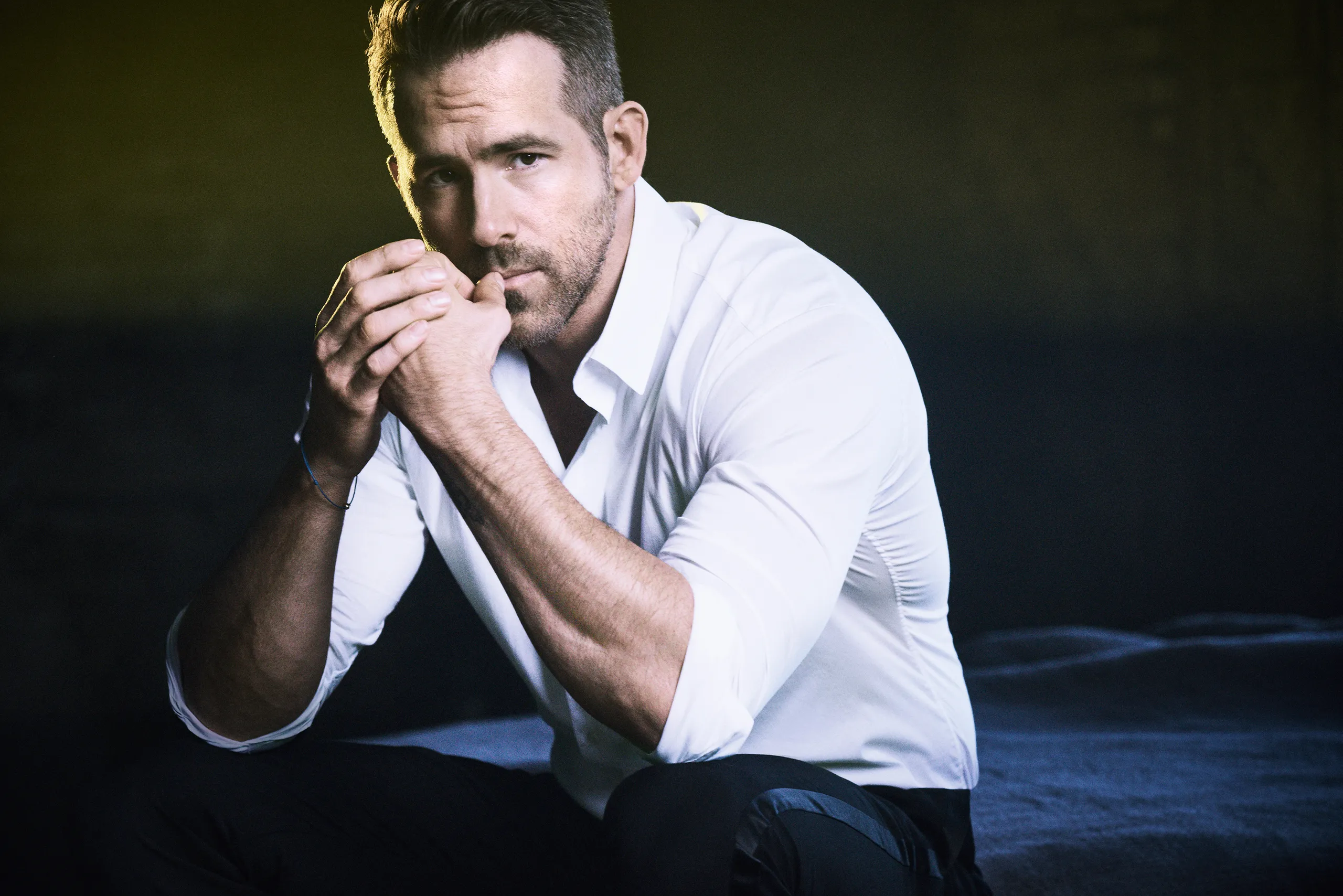
Public figures such as LeBron James and Ryan Reynolds are often associated with this modern approach to lifestyle design, where work is balanced with intentional rest, family time, and personal interests.
Another major driver of this shift is flexibility. Remote work, digital businesses, and freelance models have made it possible for more people to structure their time differently. Instead of organizing life entirely around work schedules, individuals are increasingly building work into lives that prioritize freedom and adaptability.
Health has also become central to this redefinition of success. Physical fitness, mental clarity, and emotional well-being are now viewed as assets that require time and attention. As a result, free time is no longer seen as unproductive—it is often considered essential maintenance for long-term performance.
Social media has both influenced and reflected this change. While it still showcases hustle culture in some spaces, there is also growing visibility around slow living, wellness routines, and intentionally unstructured lifestyles. The contrast between these narratives highlights an ongoing cultural negotiation around what success should look like.
Economic factors play a role as well. For those with financial stability, time becomes more valuable than additional consumption. Instead of accumulating more material goods, many people are prioritizing experiences, rest, and autonomy over their schedules.
In this context, free time is no longer just a byproduct of success—it is becoming one of its defining markers. The ability to disconnect, slow down, and choose how time is spent is increasingly viewed as a form of modern luxury.
Success is no longer only about how much is achieved. It is also about how much space is left to actually live.