
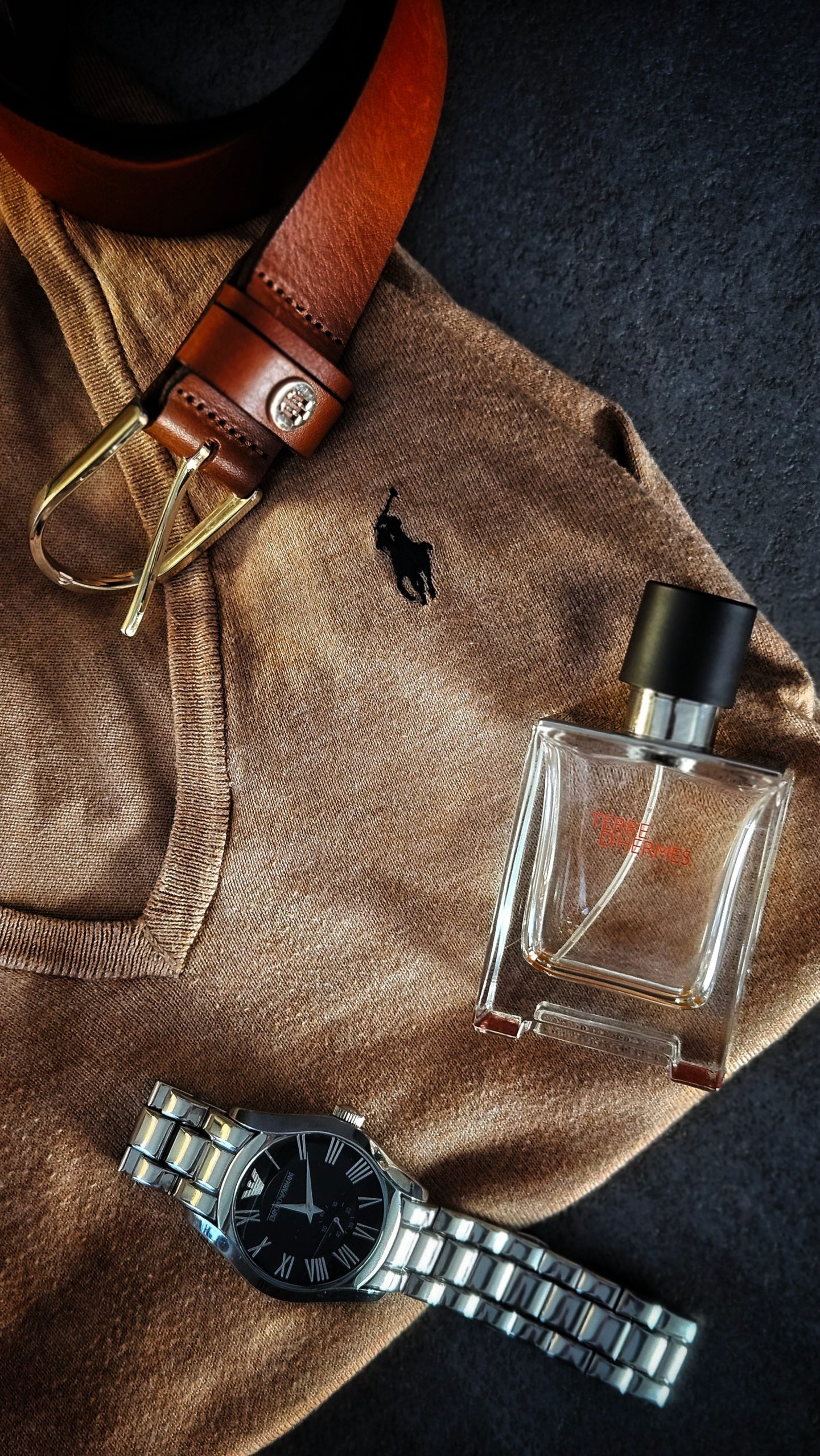
November is when getting dressed starts to require a little more thought.
The mornings are colder, the evenings arrive earlier, and the lightweight outfits that worked in early fall may no longer provide enough warmth. Suddenly, the difference between looking put together and simply dressing for the weather comes down to a few practical decisions.
For men, this seasonal transition is an opportunity to improve the wardrobe without starting from scratch.
You do not need an entirely new collection of clothes. You need pieces that work together, fit properly, and make everyday outfits easier to assemble.
The best wardrobe upgrades are often the least complicated. A versatile jacket can make several outfits more useful. Better footwear can carry you through workdays and weekends. A few well-fitting basics can make the clothes you already own look more intentional.
Here are three simple upgrades worth considering before November settles in.
Upgrade One: Learn to Layer Without Looking Bulky
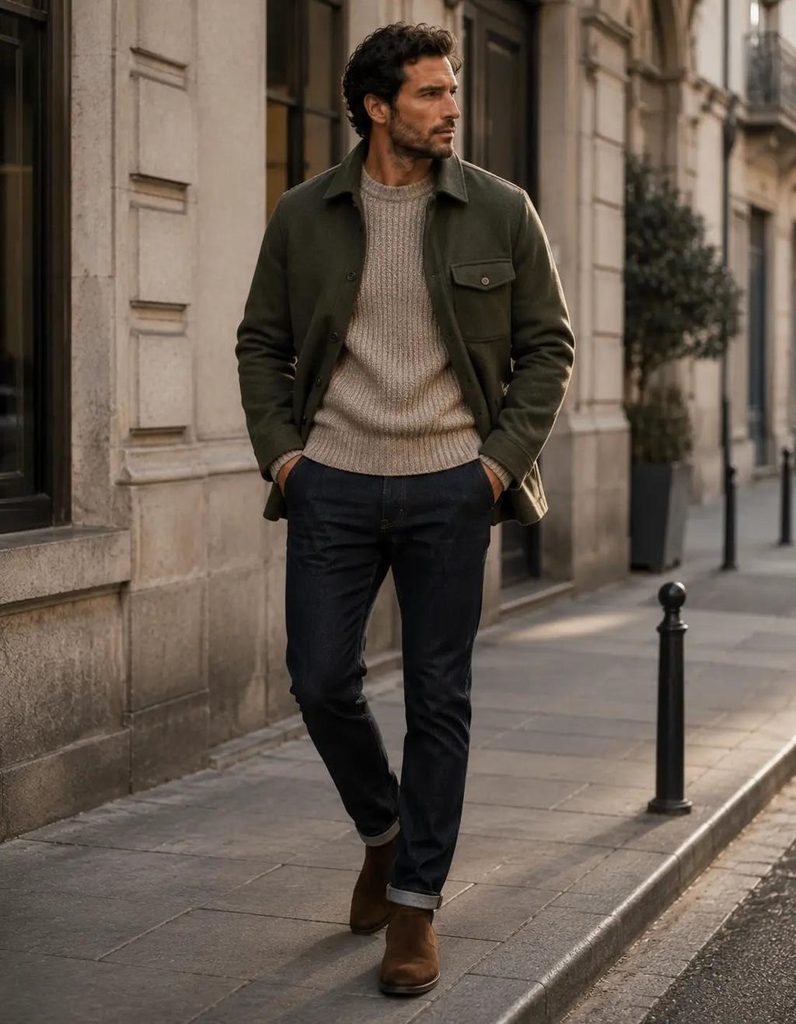
Layering is one of the most useful skills in men’s fall style. It provides warmth, adds visual interest, and allows an outfit to adapt when temperatures change throughout the day.
But layering works best when each piece has a purpose.
Wearing several thick garments at once can make an outfit feel restrictive, especially when moving between cold outdoor conditions and heated indoor spaces. The goal is to combine lighter pieces that work together rather than stacking everything you own.
Start with a reliable base
Begin with a comfortable T-shirt, long-sleeve shirt, or lightweight thermal top. Neutral colors such as white, gray, navy, and black are easy to combine with other wardrobe pieces.
A simple base layer also gives you flexibility. You can wear it alone indoors or add another layer when the temperature drops.
For colder days, consider a thermal shirt made from a material that suits your climate and activity level. Merino wool and suitable synthetic fabrics can help manage moisture, while cotton works well for many everyday situations when it is not exposed to prolonged damp conditions.
The right choice depends on how cold it gets where you live and how much time you spend outside.
Add a middle layer
The middle layer provides much of the outfit’s warmth and character.
A crewneck sweater, cardigan, overshirt, or lightweight fleece can work well over a basic shirt. These pieces are useful because they can be worn in several ways rather than serving only one seasonal purpose.
A textured sweater, for example, can look appropriate with dark jeans and casual boots. The same sweater can also work with chinos and a more structured jacket.
An overshirt offers another option for milder days. It adds structure without the weight of a heavy coat and can be worn open over a T-shirt or buttoned over a lightweight base layer.
Choose a fit that leaves enough room for movement without creating excess fabric around the shoulders, chest, and waist.
Finish with the right outer layer
Your outer layer should reflect the weather and your usual activities.
A wool-blend coat can work well for commuting, dinners, and occasions that call for a more polished appearance. A field jacket, bomber jacket, or insulated casual coat may be more practical for everyday errands and relaxed weekends.
If rain is common where you live, water resistance and a useful hood may matter more than the jacket’s appearance alone.
Color also makes a difference. Navy, olive, charcoal, brown, and black can coordinate with many common wardrobe staples.
The result is a small collection of layers that can be combined in different ways instead of a closet full of pieces that only work with one outfit.
The style takeaway: Build outfits from the inside out. Start with a comfortable base, add a useful middle layer, and finish with outerwear suited to the conditions.
Upgrade Two: Invest in Footwear That Works Beyond One Outfit
Footwear can change the entire impression of an outfit. It also has to handle the practical demands of fall weather, including wet sidewalks, cooler temperatures, and longer days spent moving between locations.
If your current shoes only work with one particular look, November is a good time to consider a more versatile option.
The everyday leather or suede boot
A simple ankle boot can be one of the most useful additions to a fall wardrobe.
Chelsea boots offer a clean silhouette that works with dark denim, chinos, and many smart-casual outfits. Lace-up boots can create a more rugged appearance and may be better suited to casual outdoor use, depending on their construction.
Leather can be practical when properly maintained, while suede offers a softer texture that pairs well with fall fabrics. Both require care, and neither should be assumed to be waterproof without checking the product’s specifications.
For rainy or snowy conditions, look for appropriate weather protection, a durable sole, and enough traction for the surfaces you regularly encounter.
A versatile brown or black boot is often easier to coordinate than a heavily decorated style.
Keep one clean casual sneaker
Boots are not necessary for every November outfit.
A clean, understated sneaker remains useful for errands, travel, casual workplaces, and weekends. White, gray, black, and muted neutral colors tend to coordinate easily with jeans, chinos, and simple outerwear.
The key is choosing a design that matches your lifestyle. A minimalist leather sneaker can create a sharper appearance, while a supportive athletic shoe may be more appropriate for extended walking or active days.
Do not sacrifice comfort simply because a shoe looks good. Fit, support, and the conditions in which you plan to wear it should all influence the decision.
Give your existing shoes a little attention
Sometimes, the best footwear upgrade is maintenance rather than shopping.
Clean dirt from sneakers, condition suitable leather footwear, and replace worn laces when needed. Check the soles for damage and make sure shoes intended for wet weather still provide adequate grip.
Small details can make a familiar pair look considerably better.
Before purchasing something new, review what you already own. You may discover that a pair of boots you rarely wear simply needs cleaning and a different combination of clothing.
The style takeaway: Choose footwear for the situations you actually encounter. One dependable pair of boots and one clean casual sneaker can cover a surprising number of everyday outfits.
Upgrade Three: Make Your Basics Fit Better
A wardrobe does not need to be large to look good. It needs to contain clothes that fit comfortably and work together.
This is where many men can make an immediate improvement without spending much money.
A closet may contain quality jackets, attractive shoes, and expensive accessories, yet everyday outfits can still look unfinished if the underlying basics do not fit properly.
Reassess your T-shirts and shirts
Start with the pieces you wear most often.
A well-fitting T-shirt should allow comfortable movement without pulling tightly across the chest or hanging excessively around the waist. Shoulder seams should generally sit near the natural shoulder line, although the intended cut of the garment matters.
For button-down shirts, check the collar, shoulders, sleeves, and torso. You should be able to move comfortably without the buttons pulling open or excess fabric creating an unnecessarily bulky silhouette.
You do not need every shirt to be slim-fitting. Relaxed and oversized cuts can look intentional when the proportions work together.
The important thing is understanding how the garment is designed to fit and choosing the version that suits your body and preferences.
Check your jeans and chinos
Denim and chinos are foundational pieces because they work across many casual and smart-casual situations.
A straight or gently tapered leg can be versatile, while a more relaxed cut may be preferable if comfort and mobility are priorities.
Pay attention to length. Excessive fabric bunching around the ankles can make an otherwise good outfit appear less deliberate, while trousers that are too short may not provide the silhouette you want.
The right length depends on the cut, footwear, and personal style. There is no single trouser shape that suits every man.
For a practical fall wardrobe, consider keeping a few dependable pairs in colors such as dark indigo, charcoal, navy, or khaki.
These shades are easy to combine with sweaters, overshirts, coats, and boots.
Use simple color coordination
You do not need to follow a strict color formula, but a consistent palette can make getting dressed easier.
Start with a foundation of neutral shades and introduce one or two colors that complement your existing clothes.
For example, dark denim can work with a cream sweater, an olive overshirt, and brown boots. Charcoal trousers can pair with a navy knit and a gray coat. Khaki chinos can be worn with a black T-shirt and a textured jacket.
These combinations are not rules. They are starting points.
Once you understand which colors and silhouettes work well together, you can experiment with richer fall shades such as burgundy, forest green, rust, and deep brown.
The objective is to make your wardrobe more flexible so that individual pieces can be combined without requiring a new purchase for every outfit.
Do not overlook basic maintenance
Well-fitting clothes look better when they are cared for properly.
Remove lint, clean shoes, follow garment care instructions, and repair loose buttons or small tears before they become larger problems. Store knitwear in a way that helps prevent stretching, and allow damp outerwear to dry appropriately before putting it away.
These habits protect the clothes you already own and reduce the temptation to replace items that simply need attention.
The style takeaway: Before buying more clothes, make sure your most-used basics fit well, coordinate with your footwear and outerwear, and remain in good condition.
A Simple November Wardrobe Formula
If you want to put these three upgrades into practice, start with a small group of pieces you can combine throughout the week.
Here is one example:
For a casual workday: Wear dark jeans, a neutral T-shirt, a textured sweater, and a versatile jacket. Finish with clean boots or understated sneakers, depending on the weather and workplace.
For a weekend outing: Combine chinos with an overshirt over a long-sleeve shirt. Add comfortable sneakers or casual boots.
For a dinner or evening event: Try dark trousers, a fine-knit sweater, and a structured coat. Clean leather boots can complete the outfit without making it feel overly formal.
For a colder day outdoors: Use a base layer, a warmer middle layer, and weather-appropriate outerwear. Choose footwear with suitable traction and protection for local conditions.
These combinations work because they rely on pieces that serve multiple purposes. You can change the colors, materials, and silhouettes to match your own preferences without losing the basic idea.
Shop Your Closet Before You Shop Online
A seasonal wardrobe reset does not have to begin with a shopping cart.
Start by taking inventory of what you own. Identify the items you wear regularly, the pieces you have forgotten about, and the gaps that genuinely affect your daily outfits.
You may already have a suitable coat but need a warmer middle layer. You might own several sweaters but lack footwear that works in wet weather. Or perhaps your wardrobe is well stocked, but a few small repairs and fit adjustments would make everything more useful.
Write down the specific problem before looking for a product.
Then compare options based on fit, construction, comfort, care requirements, and price. Consider cost per wear rather than focusing exclusively on the initial purchase price. A durable item you use frequently may offer better value than a cheaper piece that rarely leaves the closet.
Avoid buying an item simply because it appears in a seasonal trend roundup. Personal style becomes more consistent when purchases support your existing wardrobe and lifestyle.
The Better Fall Wardrobe Starts With Less Complication
As November approaches, the most effective style reset is not about replacing everything you own or chasing every new trend.
It is about making everyday decisions easier.
Smarter layers help you adjust to changing temperatures. Versatile footwear provides options for workdays, weekends, and wet weather. Better-fitting basics make the rest of your wardrobe work harder.
These changes are practical, but they can also influence how you feel when getting dressed. When your clothes are comfortable, coordinated, and suited to your routine, you spend less time wondering what to wear and more time getting on with your day.
You do not need a closet full of expensive pieces to look put together.
You need a few reliable items, an understanding of how they work together, and the confidence to wear what suits you.
Start with one upgrade this week. Review your layers, take care of your footwear, or improve the fit of the basics you wear most often.
By the time November settles in, you may find that the wardrobe you already own is more capable than you thought.
References
- GQ — Men’s Style and Fashion
- Esquire — Men’s Style
- The Good Trade — Sustainable Fashion and Style
- REI — Expert Advice: Clothing and Layering
- American Cleaning Institute — Cleaning and Laundry Tips