
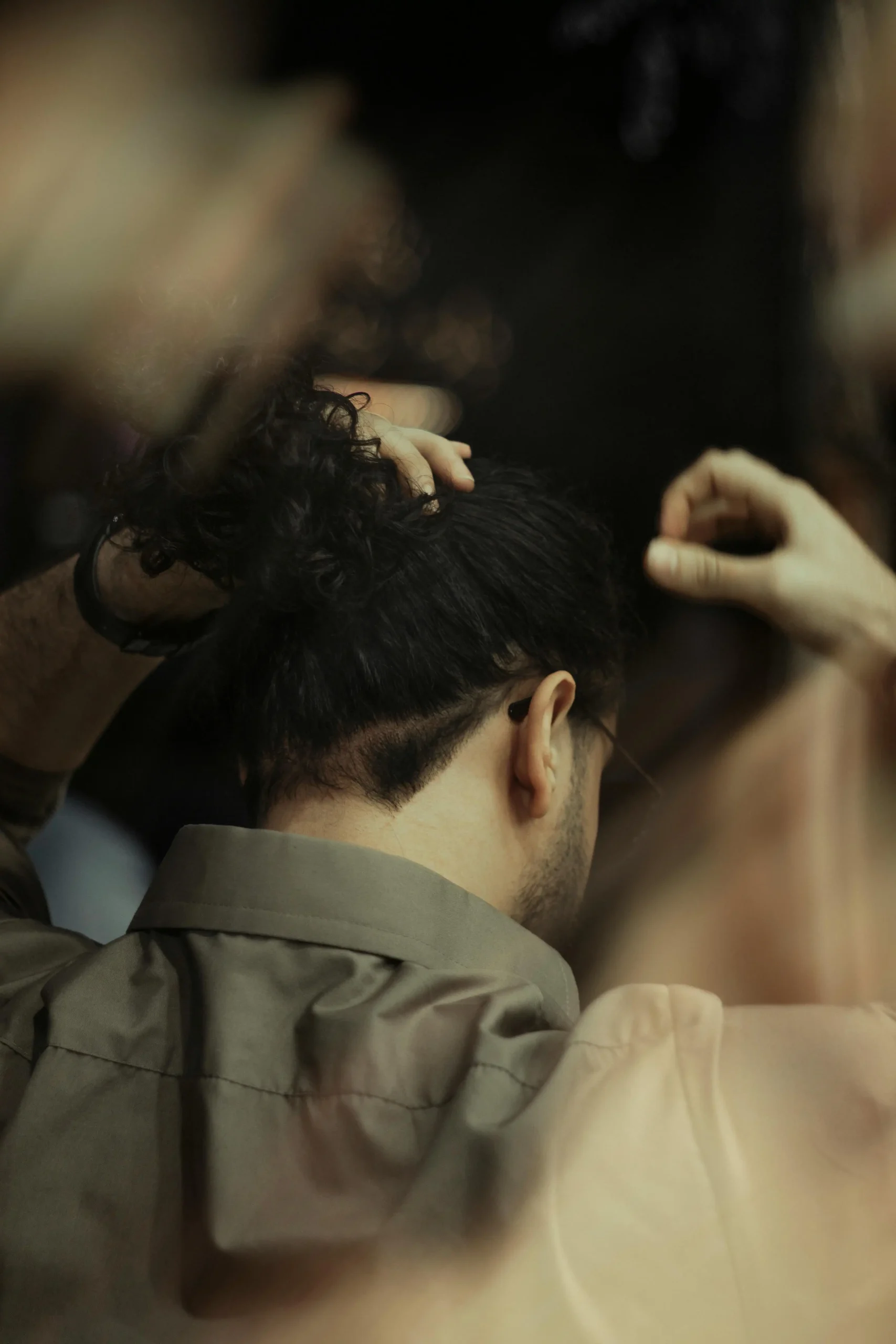
Hair loss is often blamed on genetics—and while that’s partly true, it’s not the whole story. Many men unknowingly speed up hair thinning through everyday habits that seem harmless but can quietly damage the scalp and weaken hair over time.
From grooming routines to lifestyle choices, small daily actions can have a long-term impact on hair health. The truth is, even if you are genetically predisposed to hair loss, your habits can either slow it down or accelerate it.
This article uncovers the hidden habits that may be damaging men’s hair—and what you can do to protect and strengthen it.
1. Washing Your Hair Too Often (or Not Enough)
Hair hygiene is a balancing act. Washing too frequently can strip the scalp of its natural oils, leaving hair dry, brittle, and more prone to breakage. On the other hand, not washing enough can lead to oil buildup, clogged follicles, and scalp irritation.
A healthy scalp environment is essential for strong hair growth. Overwashing can disrupt this balance, while underwashing can create conditions that weaken follicles.
What to do instead:
Wash your hair 2–4 times per week depending on your scalp type. Use a mild, sulfate-free shampoo that cleans without over-drying.
2. Using Harsh Hair Products
Many men rely on styling products like gels, waxes, and sprays that contain alcohol and strong chemicals. These ingredients can dry out hair, irritate the scalp, and cause long-term damage when used excessively.
Over time, product buildup can clog hair follicles and interfere with healthy growth.
What to do instead:
Choose lightweight, natural-based styling products and avoid those with high alcohol content. Always wash out products before sleeping.
3. Excessive Heat Styling
Frequent use of blow dryers, straighteners, or hot tools can weaken hair strands by damaging the protein structure. Heat removes moisture from the hair, making it more fragile and prone to breakage.
Even if you are not styling heavily, daily blow-drying on high heat can still contribute to thinning over time.
What to do instead:
Use lower heat settings and limit heat styling when possible. Allow hair to air dry occasionally to reduce damage.
4. Poor Diet and Nutrient Deficiency
Hair health is directly linked to nutrition. A lack of essential nutrients can weaken hair follicles and slow down growth.
Key nutrients for hair include:
- Protein (hair is primarily made of keratin)
- Iron
- Zinc
- Biotin
- Omega-3 fatty acids
Diets high in processed foods and low in nutrients can lead to weaker, thinner hair.
What to do instead:
Eat a balanced diet with lean proteins, leafy greens, nuts, and healthy fats to support hair growth from within.
5. Chronic Stress
Stress is one of the most overlooked causes of hair loss. It can trigger a condition known as Telogen Effluvium, where hair prematurely enters the shedding phase.
Long-term stress can also affect hormone levels, which play a role in hair growth cycles.
What to do instead:
Incorporate stress management techniques such as exercise, sleep, and relaxation practices into your routine.
6. Tight Hairstyles and Friction
Although more common in longer hair, tight hairstyles like man buns, ponytails, or braids can put tension on hair follicles. This condition, known as Traction Alopecia, can lead to permanent hair loss if not addressed.
Even wearing tight hats or helmets frequently can contribute to friction and scalp stress.
What to do instead:
Avoid overly tight hairstyles and give your scalp regular breaks from tension.
7. Sleeping on Rough Pillowcases
Cotton pillowcases can create friction against the hair while you sleep, leading to breakage and frizz. Over time, this repeated friction can weaken hair strands.
What to do instead:
Switch to silk or satin pillowcases, which are gentler on hair and reduce friction.
8. Ignoring Scalp Health
Many men focus on hair but forget about the scalp. A healthy scalp is the foundation for healthy hair growth.
Conditions like dandruff, itchiness, or buildup can affect follicles and disrupt growth cycles.
A common scalp condition is Dandruff, which, if untreated, can contribute to irritation and hair weakness.
What to do instead:
Use scalp-friendly products and consider occasional scalp treatments or massages to improve circulation.
9. Overusing Towels After Showering
Rubbing your hair aggressively with a towel can cause mechanical damage. Wet hair is more fragile, and rough drying can lead to breakage and split ends.
What to do instead:
Pat your hair dry gently or use a microfiber towel to reduce friction.
10. Lack of Sleep
Sleep is essential for overall health, including hair growth. During sleep, the body repairs cells and regulates hormones that influence hair cycles.
Poor sleep can increase stress hormones, which may contribute to hair thinning over time.
What to do instead:
Aim for 7–9 hours of quality sleep each night to support healthy hair growth.
11. Smoking and Alcohol Consumption
Smoking reduces blood flow to the scalp, limiting the nutrients that reach hair follicles. Alcohol, when consumed excessively, can lead to dehydration and nutrient deficiencies.
Both habits can negatively affect hair health over time.
What to do instead:
Reducing or eliminating these habits can improve overall health and support stronger hair.
12. Ignoring Early Signs of Hair Loss
Many men wait until hair loss becomes severe before taking action. Early signs like thinning, receding hairlines, or excessive shedding are often overlooked.
Conditions like Male Pattern Baldness can progress over time if not managed early.
What to do instead:
Pay attention to changes in your hair and consider early intervention strategies if needed.
Conclusion
Hair loss is not always sudden—it is often the result of small, repeated habits that gradually weaken the hair and scalp over time.
The good news is that many of these habits are within your control. By making simple adjustments to your daily routine, you can protect your hair, improve its strength, and slow down the effects of thinning.
Healthy hair starts with consistent care, smart choices, and awareness of what might be causing damage behind the scenes.
Sources
- World Health Organization – General health and nutrition guidance
- American Academy of Dermatology – Hair loss and scalp care information
- Harvard Medical School – Research on stress and hair loss