
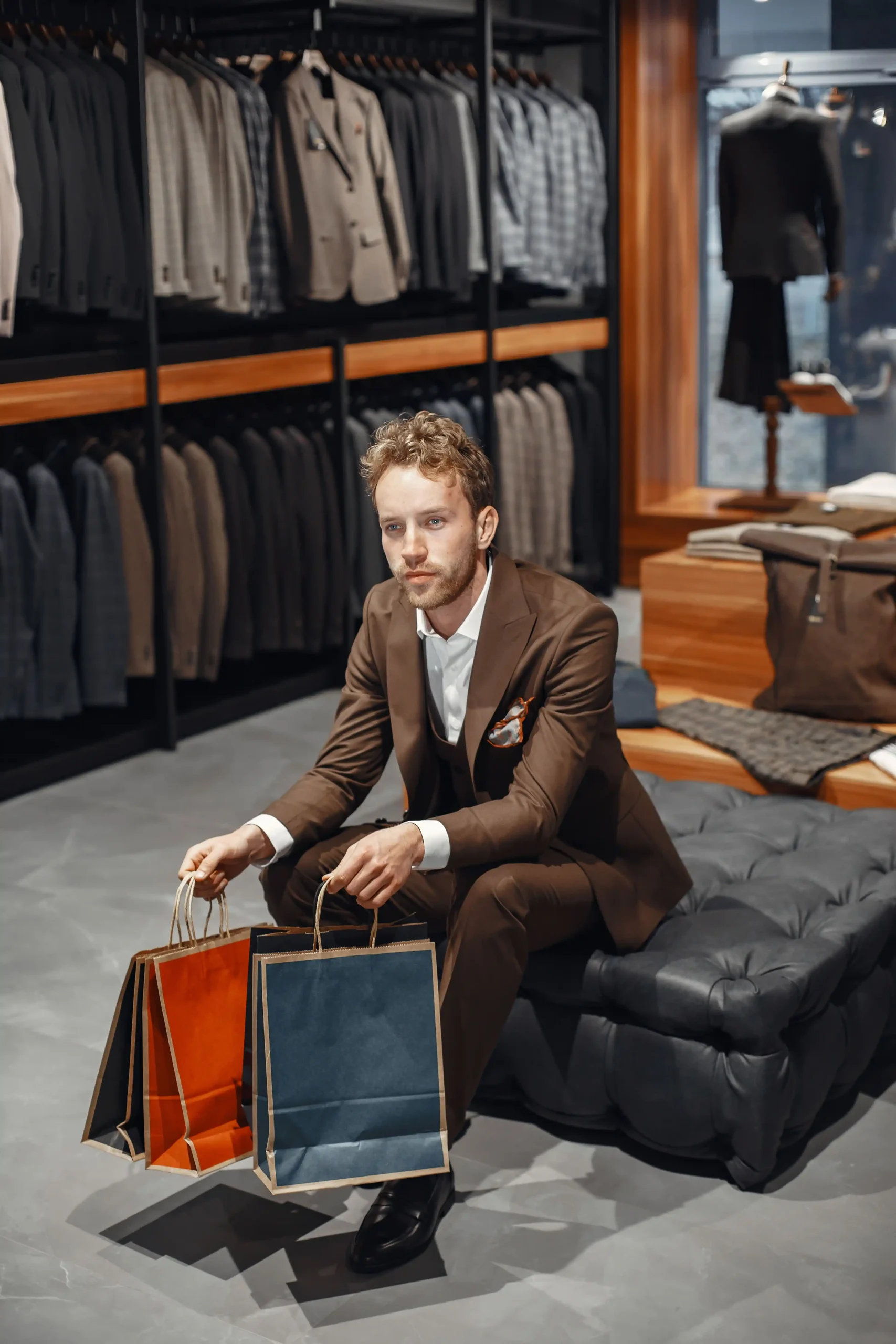
Men’s fashion is changing as more shoppers look for clothing that combines sophisticated design, reliable quality, everyday comfort, and reasonable prices. For years, luxury fashion was closely associated with expensive designer labels, exclusive collections, and recognizable logos. Today, however, looking well-dressed no longer requires spending a fortune on a wardrobe. Accessible luxury in men’s fashion is gaining attention because it offers a practical middle ground between inexpensive fast fashion and high-priced designer clothing.
Modern men are becoming more thoughtful about what they buy, how often they wear it, and whether a garment deserves its place in their wardrobe. Instead of purchasing clothing simply because a famous brand name appears on the label, many shoppers are paying closer attention to fabric quality, fit, versatility, craftsmanship, and long-term value. This shift reflects a broader interest in affordable premium menswear, timeless men’s style, and clothing that looks refined without feeling unnecessarily extravagant.
From tailored trousers and elevated basics to quality sneakers and versatile outerwear, accessible luxury makes sophisticated dressing more achievable. The goal is not to imitate the wardrobes of wealthy celebrities or follow every runway trend. It is to develop a personal style that feels polished, comfortable, and appropriate for everyday life while making smarter financial decisions.
What Is Accessible Luxury in Men’s Fashion?
Accessible luxury refers to clothing and accessories that deliver some of the qualities associated with high-end fashion at a more attainable price. These qualities may include thoughtful design, attractive materials, flattering cuts, careful construction, and a refined overall appearance. Although accessible luxury does not always mean inexpensive, it provides an alternative for shoppers who want premium-looking clothing without the substantial costs associated with traditional luxury labels.
In men’s fashion, accessible luxury often appears in well-made knitwear, structured jackets, quality denim, minimalist sneakers, leather accessories, and versatile dress shirts. These pieces are designed to look sophisticated while remaining practical enough for regular use.
The concept also overlaps with affordable luxury menswear and quiet luxury, a style approach that emphasizes understated elegance instead of prominent branding. Neutral colors, clean silhouettes, subtle textures, and carefully chosen accessories can create a polished appearance without relying on expensive logos.
The difference between accessible luxury and simply buying cheaper clothing comes down to value. A low-priced garment may seem attractive initially, but poor stitching, uncomfortable fabric, or an unflattering fit can make it less useful over time. An affordable premium item should offer a meaningful improvement in design, comfort, durability, or versatility that justifies its price.
Why More Men Are Choosing Quality Over Designer Labels
One reason accessible luxury is becoming more appealing is that shoppers increasingly want their money to deliver visible, practical benefits. Higher prices do not automatically guarantee better clothing, and a recognizable designer name cannot compensate for a garment that fits poorly or does not suit the wearer’s lifestyle.
This encourages men to examine what they are actually paying for. Instead of choosing an item because it carries a prestigious label, they may consider the material, construction, comfort, and number of outfits they can create with it.
The wider fashion industry has also been responding to shoppers who want more appealing designs at attainable prices. McKinsey and the Business of Fashion have discussed how brands across different price levels are moving toward more elevated products as consumers look for stronger value, quality, and design. This reflects an important change in expectations: shoppers want clothing that feels considered without necessarily entering the traditional luxury market.
Social media has contributed to this shift by exposing men to a broader range of styling ideas. Outfit inspiration no longer comes exclusively from luxury advertising campaigns or celebrity wardrobes. Everyday creators demonstrate how affordable basics, well-fitted trousers, and simple accessories can produce an elegant appearance.
Ultimately, modern men’s style is becoming less dependent on the price of individual items and more focused on how those pieces work together.
The Importance of Fit in Affordable Premium Menswear
Fit is one of the most important factors in creating a sophisticated outfit. Even expensive clothing can appear awkward when the proportions are wrong, while a reasonably priced garment can look polished when it fits the body properly.
For shirts, the shoulder seams should generally sit close to the natural shoulder line. Sleeves should allow comfortable movement without excessive fabric, and the shirt should follow the body’s shape without pulling tightly across the chest or stomach. The ideal fit depends on personal preference, but the overall silhouette should look intentional.
Trousers deserve the same attention. A suitable waist, comfortable rise, and appropriate leg length can make a noticeable difference in how an outfit looks. Slim, straight, and relaxed cuts can all work well when chosen according to body proportions and the occasion.
Jackets and blazers require particular care because their shoulders and overall structure influence the appearance of the entire outfit. When shopping for accessible luxury menswear, it is often worth trying several sizes and cuts instead of assuming that the usual size will always provide the best result.
Basic alterations can also improve affordable clothing. Shortening trousers, adjusting sleeves, or making small changes to a jacket may help an otherwise suitable garment look more refined. Before purchasing an expensive item, consider whether the same result could be achieved with a less expensive piece and a modest tailoring adjustment.
The lesson is simple: fit creates the foundation of good style. A designer label is optional, but clothing that complements the wearer’s proportions is essential.
Fabric Quality and Craftsmanship Make a Difference
Fabric is another important consideration when shopping for men’s premium clothing. Materials influence how a garment feels, drapes, breathes, and holds its shape after repeated wear.
Cotton is a versatile choice for everyday shirts, T-shirts, and casual trousers. Linen is especially useful in warm weather because of its breathable qualities and relaxed appearance. Merino wool can provide comfortable temperature regulation in knitwear, while denim quality depends on factors such as fabric weight, construction, and finishing.
Synthetic fibers are not automatically inferior. Polyester, nylon, and performance blends can offer useful benefits, including durability, stretch, moisture management, and easier care. The most appropriate material depends on how the garment will be used.
Construction also deserves attention. Check seams for consistent stitching, inspect buttons and zippers, and look for signs that a garment may lose its shape quickly. For knitwear, consider whether the fabric feels suitable for its intended purpose and whether the care instructions fit your routine.
A high price alone does not prove that a garment is exceptionally well made. Likewise, an affordable item can offer impressive quality when its design and materials are carefully selected. Comparing several products and reading reliable reviews can help shoppers distinguish genuine value from marketing language.
For men building a more refined wardrobe, the objective is to find clothing that performs well in daily life while maintaining an attractive appearance.
Essential Pieces for a Timeless Men’s Wardrobe
Building an accessible luxury wardrobe does not require replacing every item in the closet. A better approach is to identify the pieces that will provide the greatest number of styling options.
High-Quality T-Shirts and Casual Shirts
A well-fitting T-shirt is one of the most useful pieces in men’s fashion. White, black, navy, gray, and earthy shades are easy to combine with denim, chinos, tailored trousers, and casual jackets. Look for a comfortable neckline, appropriate fabric weight, and a shape that works with the rest of your wardrobe.
Oxford shirts, linen shirts, and understated button-down styles can make casual outfits look more polished. They work for informal office environments, weekend lunches, dinners, and occasions when a T-shirt feels too relaxed.
Versatile Trousers and Denim
A pair of dark, well-fitting jeans can be worn with sneakers, loafers, knitwear, or a blazer. Chinos provide another flexible option, particularly in navy, beige, olive, and charcoal.
Tailored trousers can elevate an outfit without requiring a full formal suit. Pair them with a fine-knit sweater, a simple shirt, or clean sneakers for a contemporary smart-casual appearance.
When choosing trousers, prioritize comfort and proportions over short-lived trends. A flattering cut that works with several types of footwear is likely to remain useful longer than an extreme silhouette that suits only a handful of outfits.
Knitwear and Lightweight Jackets
A quality sweater, cardigan, or knit polo adds texture and depth to a simple wardrobe. Neutral knitwear is particularly versatile because it can be layered over a shirt or worn independently.
Lightweight jackets, overshirts, and unstructured blazers can also bridge the gap between casual and formal dressing. They provide structure without the stiffness of traditional business attire.
The most useful pieces are those that work across seasons and settings. Instead of buying a jacket for one specific event, consider whether it can be worn with jeans, chinos, and tailored trousers.
Shoes and Accessories
Footwear can influence the overall impression of an outfit. Clean minimalist sneakers offer a relaxed option, while loafers, leather shoes, and simple boots can create a more elevated appearance.
Belts, watches, sunglasses, and bags should complement the outfit rather than compete for attention. Understated accessories are often easier to coordinate and can remain relevant even as clothing trends change.
Investing in a few versatile accessories may be more practical than collecting numerous statement pieces that rarely leave the closet.
How to Build a Quiet Luxury Look on a Budget
Quiet luxury is often associated with understated clothing, neutral colors, refined materials, and subtle details. Although some luxury brands charge premium prices for this aesthetic, the basic styling principles can be applied at many different budgets.
Start with a restrained color palette. Navy, white, black, gray, beige, olive, and brown can be combined in numerous ways. A coordinated palette makes it easier to create outfits without purchasing a large number of garments.
Next, focus on clean lines and simple designs. A plain knit polo, straight-leg trousers, a structured overshirt, and understated shoes can create a sophisticated outfit without visible logos. Small details, including a neat collar, well-maintained footwear, and properly fitted sleeves, can make the overall appearance more intentional.
Pay attention to condition, too. Even affordable clothing can look refined when it is clean, pressed when appropriate, and free from loose threads or damaged fasteners. Following care instructions and storing garments properly can help preserve their appearance.
It is also worth resisting the urge to purchase an entire new wardrobe at once. Begin with what you already own, identify gaps, and add pieces that complement existing clothing. This approach reduces unnecessary spending and makes it easier to develop a consistent personal style.
The appeal of quiet luxury lies in its restraint. You do not need to announce the price of your clothing for an outfit to look sophisticated.
Smart Shopping Strategies for Better Fashion Value
Shopping strategically is essential for anyone who wants to enjoy accessible luxury without overspending. Before buying an item, consider how often you will wear it, what you can pair it with, and whether it fills a genuine gap in your wardrobe.
One useful method is to calculate cost per wear. If a jacket costs more initially but is worn regularly for several years, it may provide better value than a cheaper alternative that is rarely used or quickly replaced. This calculation is not a guarantee of quality, but it encourages shoppers to consider long-term usefulness instead of focusing only on the checkout price.
Seasonal sales, outlet stores, and reputable secondhand platforms can also provide access to quality clothing at reduced prices. However, discounts should not become a reason to purchase something unnecessary. A garment is not a good deal if it does not fit, suit your lifestyle, or coordinate with your existing wardrobe.
Online shopping requires additional care. Check size charts, fabric descriptions, return policies, and customer photographs when available. Because sizing varies between brands, measurements are often more helpful than relying on labels such as small, medium, or large.
It is equally important to distinguish genuine quality from persuasive branding. Look for clear product information and realistic descriptions rather than assuming that words such as premium, luxury, or exclusive automatically indicate superior construction.
Smart shopping means being selective. Buying fewer, more useful pieces can help create a wardrobe that feels more complete while keeping spending under control.
Personal Style, Grooming, and the Complete Look
Clothing is only one part of personal presentation. Grooming, posture, confidence, and attention to detail also contribute to a polished appearance.
A simple outfit can feel more sophisticated when hair is maintained, shoes are clean, and clothing fits comfortably. Grooming does not need to involve an elaborate routine or expensive products. Consistency and choosing products that suit individual needs are often more useful than following every new trend.
For men interested in personal care, skincare can also complement a well-rounded grooming routine. A gentle cleanser, moisturizer, and suitable daily sun protection are common starting points, although individual needs vary. Those exploring skincare options can browse https://ragers.club/collections/skincare to discover products that may fit their personal care preferences.
The key is to choose products and routines that serve a real purpose. Personal style should make everyday life easier and more enjoyable, not create unnecessary pressure to spend money or achieve an unrealistic standard.
Confidence also comes from wearing clothes that feel authentic. Some men prefer classic tailoring, while others feel more comfortable in relaxed denim, contemporary streetwear, or minimalist casual clothing. Accessible luxury can work across these preferences because it is ultimately about thoughtful choices rather than following a single uniform.
Is Accessible Luxury More Sustainable Than Fast Fashion?
Accessible luxury can encourage more considered shopping when it leads consumers to choose versatile garments and wear them for longer. Buying a smaller number of useful pieces may reduce unnecessary wardrobe turnover, especially when clothing is cared for and repaired instead of discarded.
However, a higher price does not automatically make a garment sustainable. Environmental impact depends on factors such as material production, manufacturing, transportation, garment lifespan, and disposal. Some premium products may still involve resource-intensive materials or manufacturing processes.
Consumers can make more responsible decisions by checking product information, buying only what they need, choosing durable designs, and considering secondhand clothing. Repairing a loose seam or replacing a missing button can extend a garment’s usefulness without requiring a new purchase.
Versatility matters as well. A jacket that works for commuting, travel, casual dinners, and weekend outings may receive more use than one designed for a single occasion. The same principle applies to shoes, knitwear, trousers, and everyday accessories.
Accessible luxury is most valuable when it supports intentional consumption rather than encouraging shoppers to buy more items simply because they appear elevated.
The Future of Men’s Fashion: Style That Delivers Real Value
The growing appeal of accessible luxury reflects a more practical approach to men’s fashion. Shoppers want attractive designs, reliable materials, comfortable fits, and clothing that can adapt to different parts of their lives. At the same time, they are becoming more aware that the highest price does not always represent the best purchase.
As fashion continues to evolve, the distinction between luxury and everyday clothing may increasingly depend on design, construction, versatility, and the experience of wearing a garment rather than the label alone. Contemporary menswear already offers many ways to combine casual comfort with refined details, from relaxed tailoring and elevated basics to simple accessories and carefully selected footwear.
For shoppers, the opportunity is to build a wardrobe around personal needs instead of external expectations. Start with reliable essentials, pay attention to fit, compare fabrics, and choose colors that work together. Add statement pieces only when they contribute something meaningful to your style.
There is no universal budget for dressing well. What matters is making informed decisions within your own financial limits and choosing clothing that supports your lifestyle.
Conclusion: Smart Style Is About Making Better Choices
Accessible luxury in men’s fashion offers a compelling alternative to the idea that sophistication must come with an expensive price tag. By prioritizing fit, quality, timeless design, and versatility, men can create a polished wardrobe without relying on designer labels or constantly chasing trends.
The smartest approach is to buy with intention, care for what you own, and focus on the pieces you will genuinely wear. A well-fitted shirt, versatile trousers, quality shoes, and a dependable jacket can provide the foundation for countless outfits.
Ultimately, smart style is not about spending the most money. It is about understanding what works for you, recognizing genuine value, and choosing clothing that makes you feel comfortable and confident. When quality and affordability come together, looking refined becomes less about status and more about personal style.