
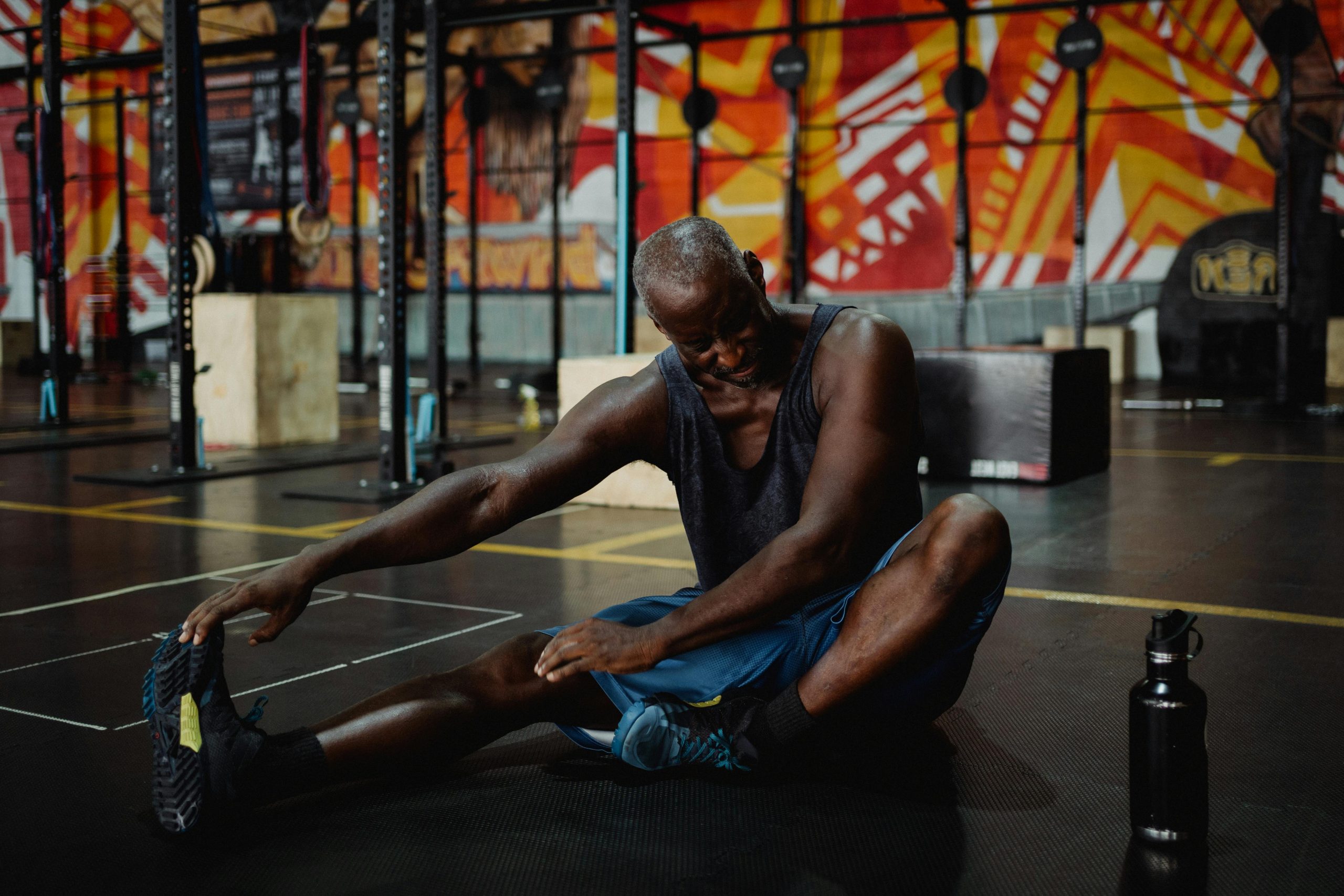
In 2026, men’s wellness culture is undergoing a quiet but meaningful shift. The focus is moving away from constant output—grinding harder, training longer, pushing through fatigue—and toward something that was previously undervalued: recovery. Sleep quality, nervous system regulation, and sustainable energy are now becoming central markers of performance rather than afterthoughts.
This change is largely a response to burnout patterns that have built up over years of optimization culture. For a long time, wellness was framed around intensity: maximize productivity, maximize workouts, minimize rest. But that model eventually runs into diminishing returns. Performance doesn’t improve indefinitely—it degrades when recovery is ignored.
Now, recovery itself is being reframed as a form of discipline. Prioritizing sleep is no longer seen as passive; it’s treated as foundational. Tracking rest cycles, improving sleep hygiene, and building consistent wind-down routines are becoming as normalized as training schedules once were.
Sustainable energy is another key focus. Instead of relying on spikes—whether through caffeine, extreme workouts, or overextended routines—there’s a growing emphasis on maintaining steady output across the day. That means fewer crashes, more consistency, and a better understanding of personal limits.
This shift also reflects a broader cultural redefinition of “flexing.” In earlier wellness narratives, the flex was visible intensity: long gym sessions, early mornings, packed schedules. In 2026, the flex is increasingly about control—being able to recover properly, maintain balance, and avoid burnout while still performing at a high level.
Social perception plays a role here as well. Talking about recovery is becoming more socially accepted, even aspirational. Sleep is no longer something to minimize; it’s something to optimize. Rest days are no longer framed as loss of momentum, but as part of the system that enables consistency.
There’s also growing awareness that unmanaged stress has cumulative effects. Physical performance, mental clarity, and emotional stability are all linked to how well the body recovers. As a result, recovery is being treated less like a break and more like infrastructure.
Importantly, this isn’t a rejection of ambition or performance culture. It’s a recalibration. The goal is not to do less—it’s to sustain more without breakdown. That means training smarter, sleeping better, and managing energy more intentionally instead of constantly pushing past it.
Even digital wellness tools are reflecting this shift, with more focus on sleep tracking, stress monitoring, and recovery scoring rather than just activity metrics. The emphasis is moving from output alone to balance across systems.
Ultimately, “Why Recovery Is Becoming the New Flex” signals a broader evolution in men’s wellness culture. In 2026, strength is no longer defined by how much someone can push through—but by how well they can recover, reset, and maintain consistency over time.