
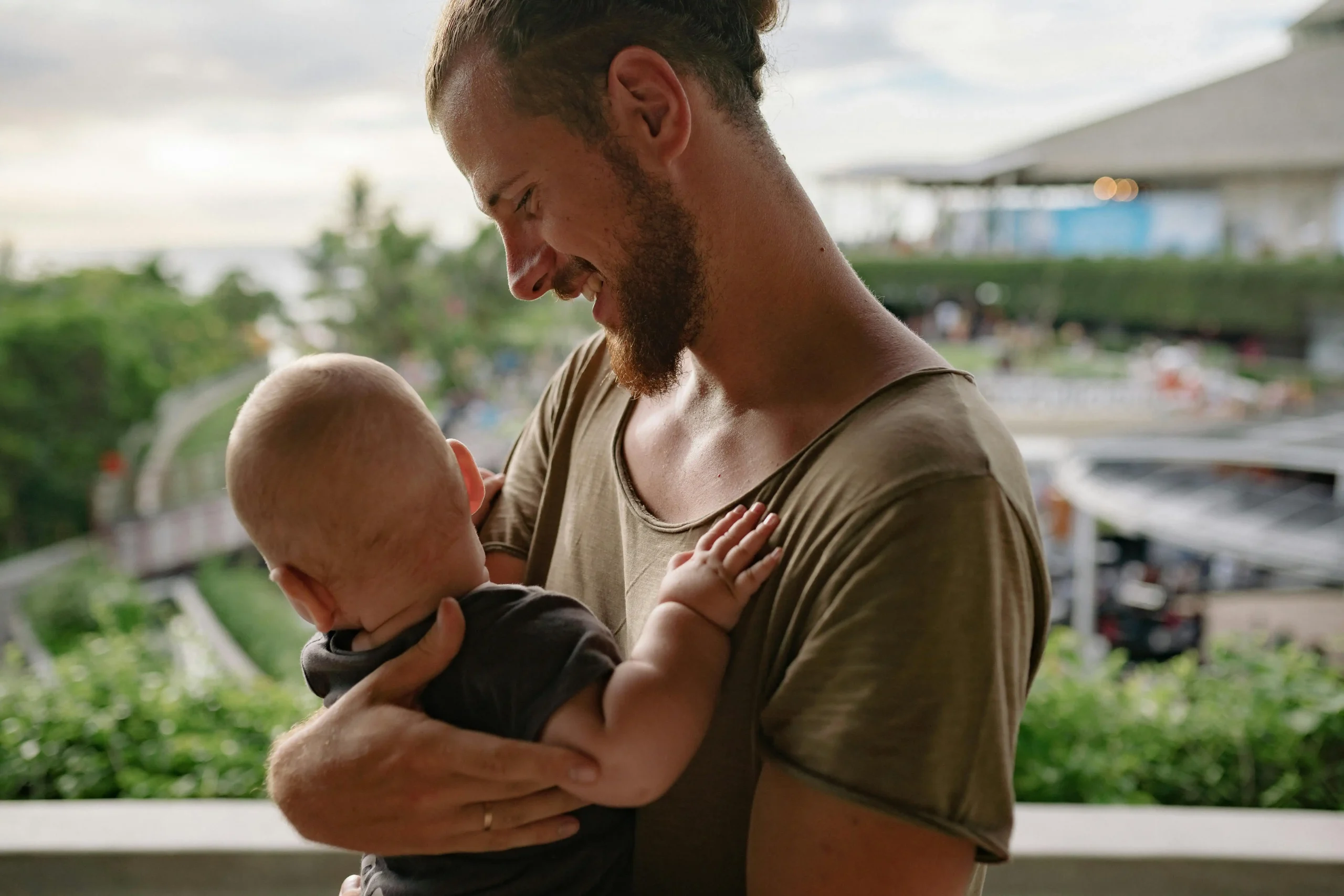
Fatherhood is often portrayed as a role defined by responsibility, provision, and strength. A father is expected to be the provider, protector, and problem-solver of the family. While these roles are important, they often overshadow another critical reality: fathers are human beings with emotional needs, mental health struggles, and inner pressures that are rarely discussed.
In recent years, conversations around mental health have expanded, but fathers are still one of the least represented groups in emotional wellness discussions. Many men quietly struggle with stress, anxiety, identity shifts, and emotional exhaustion after becoming fathers, yet continue to carry the expectation of being “strong” at all times.
This article explores the emotional side of fatherhood, the mental health challenges dads face, and how modern fathers can build healthier emotional lives without losing their sense of responsibility or identity.
The Traditional Image of a Father
For generations, society has defined fathers through a narrow lens:
- Be strong
- Provide financially
- Stay emotionally stable
- Do not show weakness
- Solve problems, not express them
While these expectations may come from cultural values of discipline and responsibility, they also create emotional restriction. Many fathers grow up learning that vulnerability is not acceptable, and emotional expression is a sign of weakness.
This mindset can lead to long-term mental health challenges, especially when combined with the pressures of raising children in a fast-changing world.
The Emotional Shift When Becoming a Father
Fatherhood is one of the most significant identity transitions in a man’s life. It changes priorities, routines, relationships, and self-perception.
Many new fathers experience:
- Sleep deprivation
- Financial pressure
- Relationship adjustments
- Fear of failure
- Identity confusion
- Increased responsibility
These changes can trigger emotional stress that is often ignored or dismissed as “normal adjustment.”
However, without proper emotional support, these feelings can build up over time and affect mental well-being.
Mental Health Challenges Fathers Commonly Face
1. Anxiety About Providing for the Family
One of the most common pressures fathers experience is financial responsibility. Many feel that their worth is tied to their ability to provide.
This can lead to:
- Constant worry about income stability
- Fear of job loss
- Overworking and burnout
- Difficulty relaxing even at home
The pressure to “always provide” can become mentally exhausting.
2. Emotional Suppression
Many fathers grow up hearing phrases like:
- “Be strong.”
- “Don’t cry.”
- “Men don’t show weakness.”
Over time, this creates emotional suppression. Instead of processing feelings, many men learn to bury them.
This can lead to:
- Emotional numbness
- Difficulty expressing affection
- Increased irritability
- Internal stress buildup
Suppressing emotions does not remove them—it only delays their impact.
3. Postpartum Depression in Fathers
While postpartum depression is often associated with mothers, fathers can also experience it.
Signs may include:
- Loss of interest in activities
- Irritability or anger
- Fatigue and low energy
- Feeling disconnected from the baby
- Hopelessness or sadness
Because male postpartum depression is less discussed, many fathers suffer silently without realizing what they are experiencing.
4. Work-Life Imbalance
Modern fathers often struggle to balance career demands with family life.
Common struggles include:
- Long working hours
- Missing important family moments
- Guilt about not being present
- Feeling torn between career and home
This imbalance can create emotional fatigue and dissatisfaction in both areas of life.
5. Identity Loss
After becoming a father, many men experience a shift in identity. Their personal interests, social life, and individuality may feel secondary.
Some fathers feel:
- “I am no longer just myself.”
- “My life is only about responsibility.”
- “I don’t have time for who I used to be.”
Without emotional balance, this can lead to long-term dissatisfaction and burnout.
Why Fathers Rarely Talk About Mental Health
Despite facing real emotional challenges, many fathers do not openly talk about mental health. There are several reasons for this:
Cultural Expectations
Society often praises fathers for strength but rarely encourages emotional openness.
Fear of Judgment
Many men fear being seen as weak or incapable if they admit emotional struggles.
Lack of Awareness
Some fathers do not even recognize their emotional symptoms as mental health issues.
Prioritizing Others First
Fathers often place family needs above their own emotional well-being.
This silence creates a cycle where emotional struggles remain hidden and untreated.
The Impact of Unaddressed Mental Health in Fathers
When mental health challenges are ignored, they can affect multiple areas of life:
Relationship Strain
Emotional distance can create misunderstandings between partners.
Parenting Challenges
Stress and burnout can reduce patience and emotional availability for children.
Physical Health Issues
Chronic stress can lead to fatigue, headaches, and other health problems.
Emotional Disconnection
Fathers may feel detached from their own lives and relationships.
Mental health is not just personal—it affects the entire family system.
Redefining Strength in Fatherhood
One of the most important shifts in modern parenting is redefining what “strength” means.
True strength is not:
- Suppressing emotions
- Working endlessly without rest
- Avoiding vulnerability
True strength is:
- Recognizing emotional needs
- Asking for help when needed
- Being present and emotionally available
- Taking care of mental health
A strong father is not one who feels nothing, but one who understands and manages his emotions in a healthy way.
How Fathers Can Support Their Mental Health
1. Acknowledge Emotions Without Shame
The first step is recognizing that emotions are normal. Stress, sadness, frustration, and anxiety are not weaknesses—they are human responses.
2. Communicate Openly
Talking to a partner, friend, or support group can reduce emotional burden. Communication helps prevent emotional buildup.
3. Create Personal Time
Even small moments of personal time can help reset mental energy:
- Exercise
- Reading
- Walking
- Quiet reflection
Self-care is not selfish; it is necessary maintenance.
4. Seek Professional Support
Therapy or counseling provides tools to manage stress and emotional challenges. Speaking to a professional can help fathers process emotions in a safe environment.
5. Build Healthy Boundaries
Work should not consume all personal time. Setting boundaries helps protect family connection and mental health.
6. Stay Connected to Identity
Fatherhood is one part of identity, not the entire identity. Maintaining hobbies and interests helps preserve emotional balance.
The Role of Society in Supporting Fathers
Improving fathers’ mental health is not only an individual responsibility—it is also a societal one.
We need to:
- Normalize emotional expression in men
- Include fathers in mental health conversations
- Provide workplace flexibility for parents
- Encourage shared parenting responsibilities
- Reduce stigma around therapy for men
When fathers are emotionally supported, families become stronger and healthier.
The Positive Side of Emotional Fatherhood
When fathers engage with their emotions, they often experience:
- Stronger relationships with their children
- Better communication with partners
- Improved stress management
- Greater emotional awareness
- A deeper sense of fulfillment
Emotionally present fathers create emotionally secure children. This impact can last for generations.
Final Thoughts
Fatherhood is not only about responsibility—it is also about emotional growth. While fathers are often expected to be strong and silent, true strength lies in understanding, expressing, and managing emotions in a healthy way.
Mental health is not separate from fatherhood; it is part of it. When fathers take care of their emotional well-being, they do not become weaker—they become more present, more connected, and more capable of building meaningful family relationships.
The emotional side of being a dad deserves attention, respect, and care. And the more we talk about it, the more we allow fathers to thrive not just as providers, but as complete human beings.