
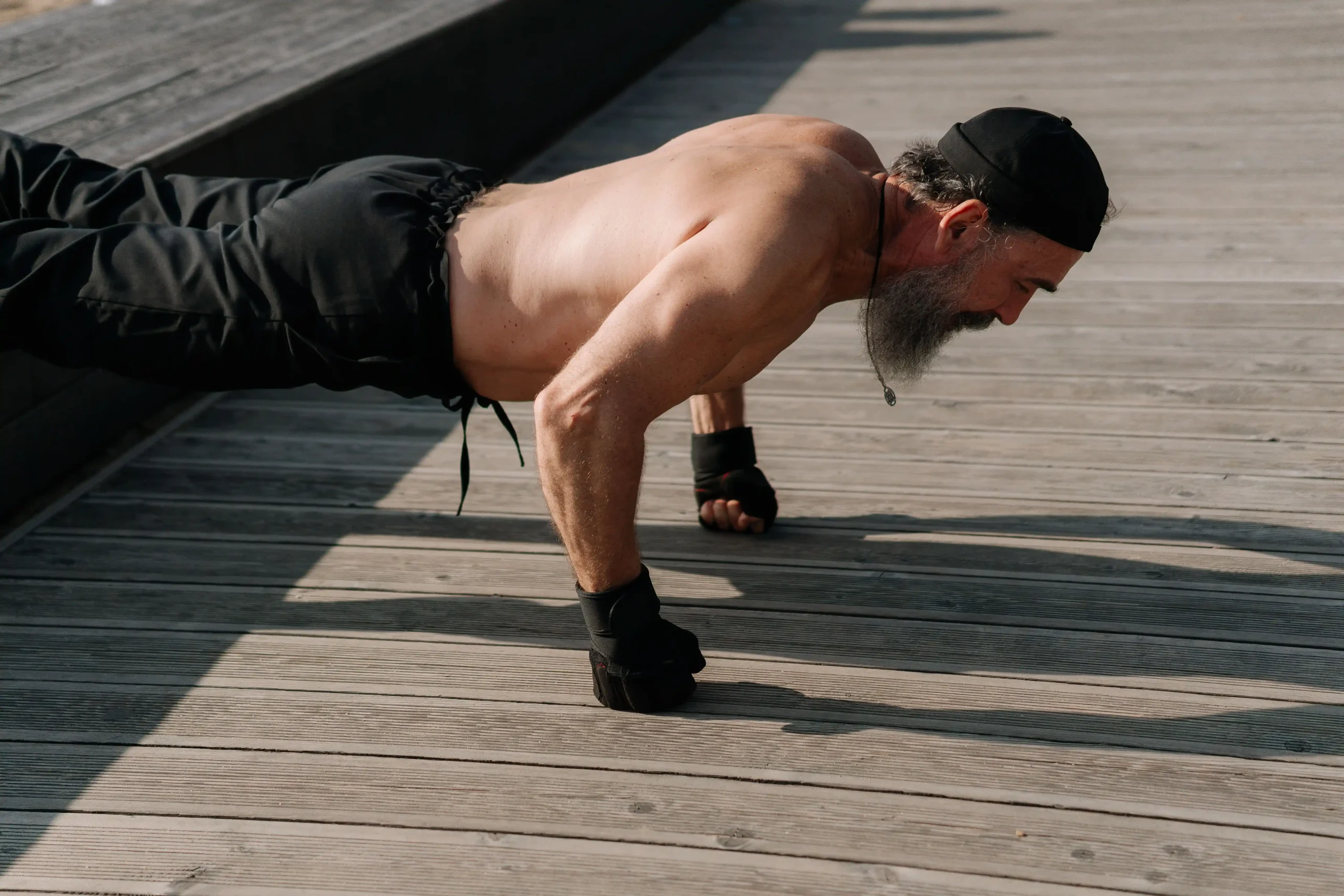
Men’s fitness is entering a new era. For years, the typical image of a fit man was centered around heavy lifting, bigger muscles, lower body fat, and intense gym sessions. While strength and muscle development remain important, the definition of fitness is becoming much broader in 2026.
Today, more men are looking beyond the mirror and thinking about how their bodies will perform years from now. Strength, cardiovascular fitness, mobility, recovery, sleep, functional movement, and longevity are becoming increasingly important parts of a well-rounded fitness routine.
Technology is also changing the way men train. Wearable devices can track heart rate, sleep, activity, and recovery metrics, while mobile apps and digital coaching make structured workouts easier to access almost anywhere. At the same time, traditional strength training remains a foundation of men’s fitness, while hybrid workouts that combine strength and endurance continue to gain attention.
The result is a more balanced approach to training. Instead of simply asking, “How much can I lift?” or “How fast can I get in shape?” men are increasingly asking, “How can I stay strong, mobile, energetic, and healthy for the long term?”
Here are some of the biggest men’s fitness trends shaping 2026 and what they mean for the way guys train.
Longevity Is Becoming a Major Fitness Goal
One of the biggest changes in men’s fitness is the growing focus on longevity. Building muscle and looking athletic are still important goals, but many men are becoming more interested in maintaining strength, mobility, cardiovascular health, and independence as they age.
Recent fitness coverage has highlighted a shift from appearance-driven workouts toward sustainable training that supports performance over years rather than weeks. Strength is being combined with mobility, cardiovascular exercise, recovery, and better lifestyle habits.
This approach changes the purpose of exercise.
Instead of training only for a beach vacation or a short-term transformation, longevity-focused fitness asks whether a workout routine can realistically be maintained for decades. A man in his 30s may want to build muscle, but he may also want to protect his joints, maintain cardiovascular fitness, improve balance, and preserve his ability to move comfortably as he gets older.
Longevity training does not mean abandoning challenging workouts. It means training intelligently. Strength exercises, moderate cardiovascular sessions, mobility work, balance exercises, and adequate recovery can all have a place in a long-term fitness strategy.
For men interested in making longevity a bigger part of their lifestyle, the goal is simple: build a body that is not only strong today but capable of performing well in the future.
Wearable Technology Is Changing How Men Train
Fitness trackers and smartwatches have become an important part of modern training. In 2026, wearable technology remains one of the most significant fitness trends, with devices increasingly focused on collecting information that can help people understand their activity, sleep, heart rate, and recovery. The American College of Sports Medicine lists wearable technology as its top fitness trend for 2026.
Instead of relying entirely on how they feel during a workout, men can now use data to identify patterns in their training.
Heart rate can provide insight into exercise intensity. Resting heart rate can help establish a personal baseline. Sleep tracking can show whether a person is consistently getting enough rest. Some devices also monitor heart-rate variability and other recovery-related measurements.
However, more data does not automatically mean better training.
The most useful approach is to focus on trends rather than obsessing over every number. A wearable should help someone understand their habits, not create unnecessary anxiety about whether they achieved a perfect score.
Technology is most valuable when it supports better decisions. If several nights of poor sleep coincide with lower energy and reduced workout performance, for example, that may be a reason to reduce training intensity and prioritize recovery.
In 2026, the smartest fitness technology may not be the device that gives users the most information. It may be the device that helps them understand which information actually matters.
Strength Training Still Has a Place at the Center
Despite all the new trends, traditional strength training is not going anywhere.
Squats, deadlifts, presses, rows, lunges, carries, and other resistance exercises remain fundamental tools for building strength and maintaining muscle. ACSM’s 2026 trends report continues to identify traditional strength training as one of the major directions in fitness.
What is changing is the reason men train for strength.
For some, the goal will always be muscle growth and physique development. For others, strength training is becoming part of a broader strategy for healthy aging, functional movement, and physical independence.
A strong body can make everyday activities easier, from carrying groceries to lifting luggage or playing sports. Maintaining muscle also becomes increasingly relevant as people age.
This does not mean every workout needs to involve maximum weights. Progressive resistance, controlled technique, appropriate training volume, and consistency can all contribute to meaningful improvements.
The biggest trend may therefore not be a new exercise at all. It is a return to fundamentals performed with more purpose.
Mobility Is No Longer an Afterthought
For years, mobility work was often treated as something men did only when they were injured or particularly tight. That attitude is changing.
Mobility is becoming a much more visible part of men’s fitness because being strong is only one component of physical performance. The ability to move through different ranges of motion with control can influence how comfortably and effectively someone performs everyday activities and exercise.
Fitness experts are increasingly emphasizing movement quality, joint health, balance, and mobility alongside traditional strength goals. Men’s Health has identified movement quality and longevity-focused fitness as notable directions for 2026.
Mobility training can be relatively simple. Controlled bodyweight movements, dynamic warm-ups, stretching, balance exercises, and movements that challenge different planes of motion can all complement a strength program.
The important point is that mobility does not have to replace strength training. It can make a strength program more complete.
A well-rounded routine might include heavy resistance training on some days, cardiovascular work on others, and short mobility sessions throughout the week.
Functional Fitness Is Becoming More Practical
Another major trend is the continued rise of functional fitness.
Functional training focuses on movements that have relevance outside the gym. Rather than training muscles in isolation all the time, workouts can incorporate pushing, pulling, carrying, rotating, squatting, lifting, balancing, and moving through different directions.
ACSM includes functional fitness training among its major 2026 trends, reflecting the broader movement toward exercise that improves everyday physical performance.
For men, this can make fitness feel more practical.
Being fit is not simply about having visible muscles. It can mean being able to carry heavy objects, climb stairs without becoming exhausted, play with children, participate in recreational sports, travel comfortably, or handle physically demanding activities without feeling limited.
Functional fitness can also make workouts more engaging because exercises can be combined into dynamic sessions rather than relying exclusively on traditional gym machines.
The emphasis is shifting from “How do I look?” toward “What can my body do?”
Hybrid Training Is Breaking Down the Strength Versus Cardio Debate
For a long time, fitness culture sometimes created an artificial choice between being strong and being fit.
Men were encouraged to identify as either lifters or runners, bodybuilders or endurance athletes. In 2026, that distinction is becoming less important.
Hybrid training combines strength and cardiovascular conditioning, giving men the opportunity to develop multiple aspects of fitness within the same overall program.
The popularity of events and training styles that combine running with functional strength exercises has helped accelerate this trend. Men’s Health identified the growth of fitness races and hybrid formats as an important direction for 2026.
Hybrid training can take many forms. A weekly routine might combine traditional weight training with running, cycling, rowing, swimming, hiking, or conditioning sessions.
The benefit is variety.
Strength training can help build muscular capacity, while cardiovascular exercise supports endurance and heart health. Mobility and recovery work can help maintain movement quality between sessions.
The goal is not necessarily to become an elite athlete in every category. It is to become a more complete athlete.
Recovery Is Becoming Part of the Workout Plan
Perhaps one of the most important changes in men’s fitness is the growing recognition that recovery is not wasted time.
Training creates a stimulus. Recovery gives the body an opportunity to adapt.
That means sleep, rest, nutrition, hydration, and appropriate training intensity all matter.
The rise of wearable technology has made recovery more visible. Devices can track sleep and other metrics, encouraging users to consider how their lifestyle affects their training. Current fitness reporting also highlights the growing connection between recovery data and individualized workout decisions.
For men who are accustomed to pushing hard every day, this can require a mindset shift.
A recovery day is not necessarily a day of doing nothing. It could involve walking, light cycling, stretching, mobility exercises, or another low-intensity activity.
Sleep is particularly important. A demanding workout schedule paired with consistently poor sleep can make it harder to maintain energy and training consistency.
For men who want to build a more intentional wellness routine around rest and longevity, products designed to support sleep and recovery can also complement a broader fitness lifestyle.
You can explore the Ragers Longevity Collection for products that fit into a lifestyle focused on long-term wellness and healthy aging.
The bigger lesson is that recovery should be treated as part of the training process rather than something that happens after training is finished.
Data-Driven Training Is Becoming More Personalized
Another important trend in men’s fitness is personalization.
Instead of following the exact same workout plan every day, more people are using data and individual feedback to adjust their routines.
Two men can complete the same workout and have completely different recovery experiences. Age, training history, sleep, stress, nutrition, work schedules, and other lifestyle factors can influence performance.
Data-driven fitness attempts to account for those differences.
A wearable might indicate that a person has slept poorly. A training app might adjust a workout based on previous performance. A coach may modify the volume or intensity of a session based on how the athlete is responding.
The technology is not meant to replace common sense. It is intended to provide additional information.
The best training decisions still require context.
A single poor night’s sleep does not necessarily mean someone needs to cancel their workout. Similarly, an impressive readiness score does not mean someone should ignore pain or other warning signs.
The goal is to use information intelligently.
Fitness Is Becoming More Flexible
Men’s fitness in 2026 is also becoming more flexible in terms of where and how people train.
The traditional gym remains important, but home workouts, outdoor training, mobile fitness apps, connected equipment, recreational sports, and hybrid schedules are giving people more options.
This flexibility can make consistency easier.
A man who cannot get to the gym may complete a short strength session at home. Someone traveling for work might use a hotel gym or bodyweight workout. Someone who spends most of the week at a desk may incorporate walking or short mobility sessions into the day.
The best fitness routine is often the one that fits realistically into someone’s life.
Technology has helped make that easier. Mobile exercise apps and digital workouts are among the trends highlighted by ACSM for 2026, reflecting the continued demand for convenient access to structured exercise.
Instead of thinking about fitness as something that happens only during a one-hour gym session, men are increasingly viewing movement as part of their entire day.
Recovery and Sleep Are Becoming Performance Tools
Sleep has always mattered, but modern fitness culture is increasingly treating it as a performance variable.
A strong workout routine cannot compensate indefinitely for consistently poor sleep.
Sleep supports physical recovery, energy, concentration, and the ability to maintain healthy habits. For men who train regularly, creating a consistent nighttime routine can be just as important as planning their next workout.
This is one reason sleep tracking has become such a common feature of wearable technology. Current fitness-tracking guidance emphasizes looking at sleep duration and consistency rather than becoming overly dependent on proprietary “sleep scores.”
The lesson is simple: use technology as a tool, but prioritize real-world habits.
A consistent bedtime, a comfortable sleep environment, sufficient time in bed, and a routine that allows the body to wind down can all support better recovery.
Fitness does not end when the workout ends. The hours between workouts matter too.
Men Are Training for Capability, Not Just Appearance
Perhaps the biggest trend of all is cultural.
Men’s fitness is slowly moving away from the idea that being fit is primarily about looking impressive.
Appearance can still be a motivating goal, and there is nothing wrong with wanting to build muscle or improve body composition. But increasingly, men are also interested in what their bodies can actually do.
Can they run comfortably? Can they lift safely? Can they move without stiffness? Can they recover between workouts? Can they maintain their fitness as they age?
These questions create a broader definition of physical health.
The result is a more complete approach that combines strength, cardiovascular fitness, mobility, functional movement, recovery, and longevity.
What a Modern Men’s Fitness Routine Could Look Like
The trends of 2026 do not mean that every man needs to completely redesign his workout routine.
Instead, they suggest creating balance.
A modern fitness program could include several strength sessions each week, regular cardiovascular activity, short mobility sessions, functional movements, and dedicated recovery time.
The exact combination will depend on the person’s age, goals, experience, schedule, and physical condition.
Someone focused on building muscle may prioritize resistance training while still including cardio and mobility. Someone training for a long-distance event may emphasize endurance while maintaining strength work. Someone focused on healthy aging may create an even balance between strength, cardiovascular fitness, mobility, balance, and recovery.
There is no universal “perfect” program.
The most valuable trend is personalization.
The Future of Men’s Fitness
Men’s fitness in 2026 is becoming less about extremes and more about sustainability.
The biggest trends point toward a future where strength training remains foundational but is combined with cardiovascular fitness, mobility, functional movement, recovery, and technology.
Wearables are making fitness more measurable. Longevity is making it more future-focused. Hybrid training is making it more versatile. Functional fitness is making it more practical. Recovery is making it more sustainable.
Together, these trends are changing the definition of what it means to be fit.
The strongest man in the gym is not necessarily the healthiest. The person who trains the hardest every day is not necessarily the most consistent. And the person with the most impressive physique is not automatically the one with the best long-term fitness.
In 2026, men’s fitness is increasingly about building a body that can keep performing.
Final Thoughts
The biggest men’s fitness trends of 2026 reveal a shift in priorities. Strength and muscle are still important, but they are no longer the entire story.
Longevity training is encouraging men to think about the future. Wearable technology is providing new ways to understand activity and recovery. Mobility is helping make movement quality a priority. Functional fitness is connecting workouts to real-life capabilities. Hybrid training is bringing strength and endurance together. And recovery is finally receiving the attention it deserves.
The most effective fitness routine is not necessarily the most extreme one. It is the routine a man can perform consistently while allowing enough time for his body to recover and adapt.
Ultimately, the goal is bigger than building an impressive physique.
It is about becoming stronger, moving better, recovering well, maintaining cardiovascular health, and creating habits that can support an active life for years to come.
That may be the most important men’s fitness trend of 2026: training not only for how you want to look today, but for how you want your body to perform tomorrow.